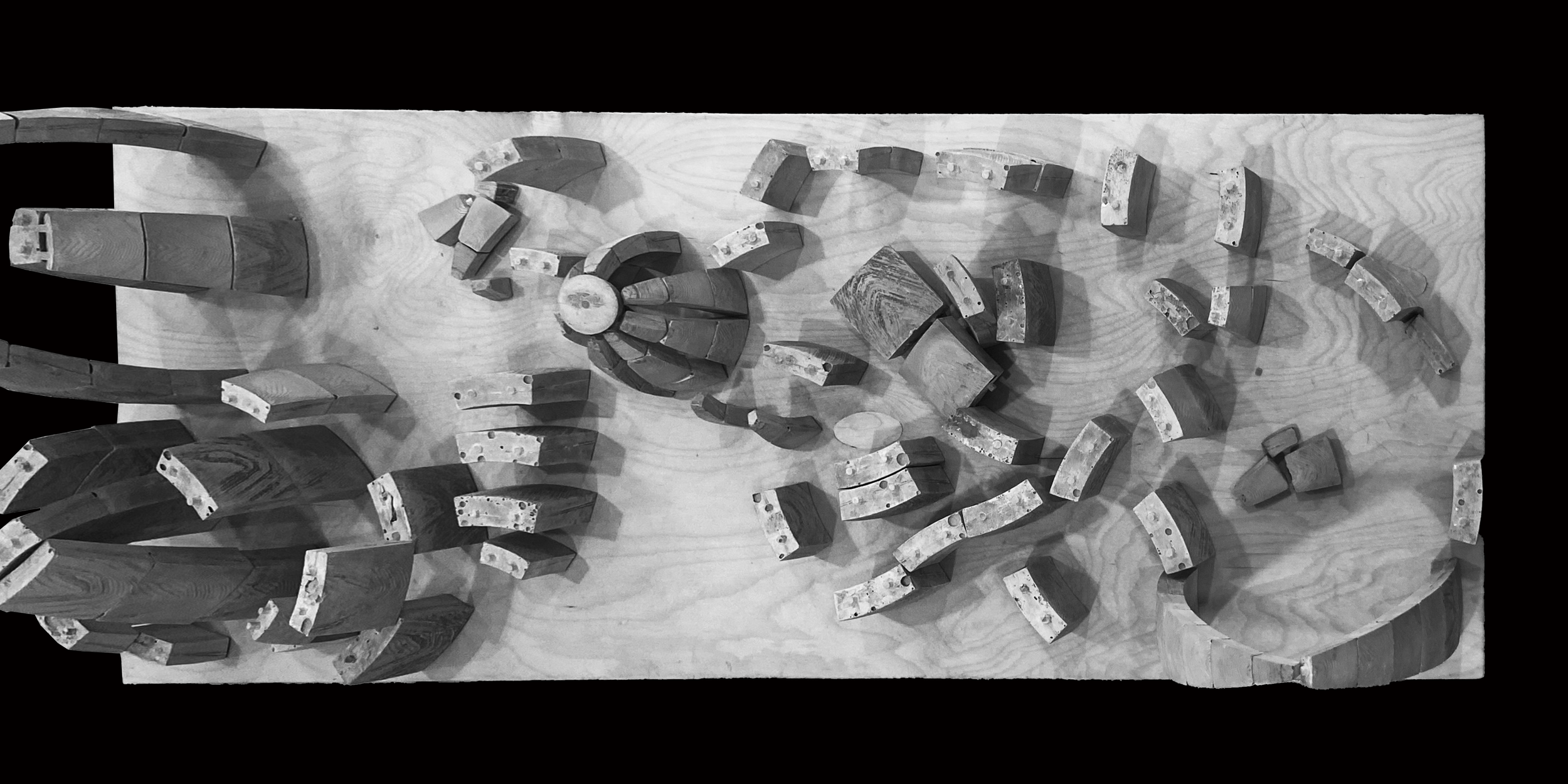
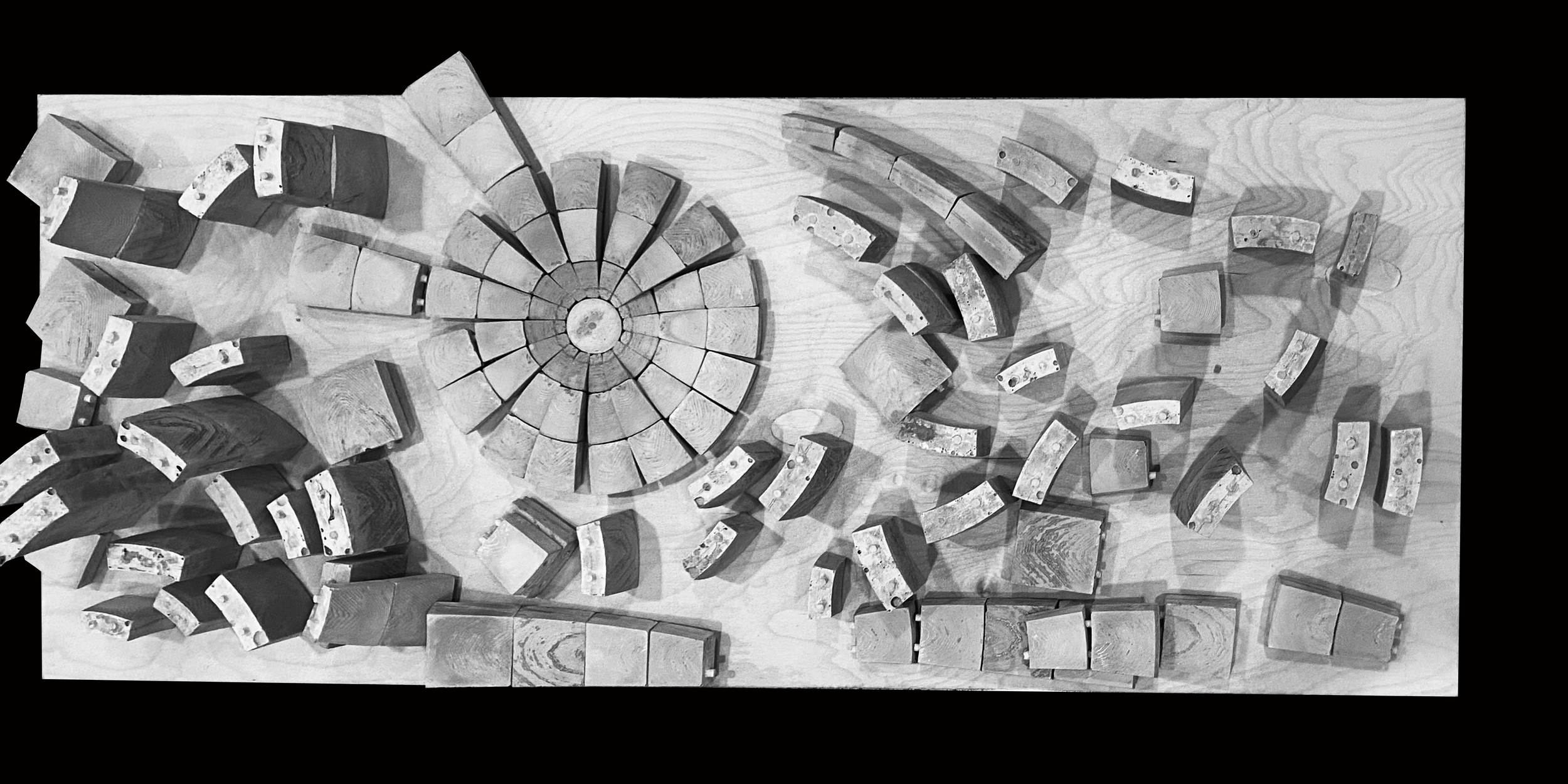
play.
challenging the impermanence and inaccessibility of play in the built environment through the lens of continuity + change.
play.
through Virginia Tech Architecture, Art, and Design SIRG program, this thesis has been awarded a grant to study the short and long-term impact of play in forming community and connections through its collaborative presence in the built environment. The goal is to implement a series of studies among the Virginia Tech Student population, testing for positive correlations between architectural installations, collaboration, and behavior, for long-term benefits to mental health.
phase 1:
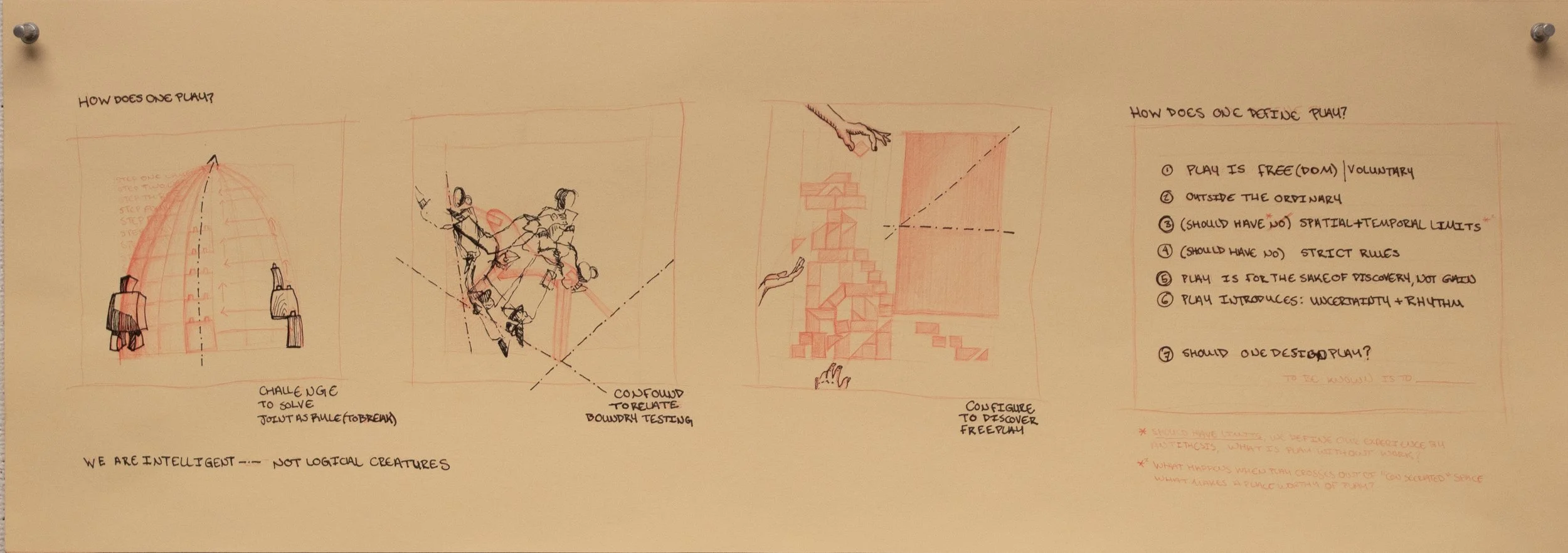
what is Play?
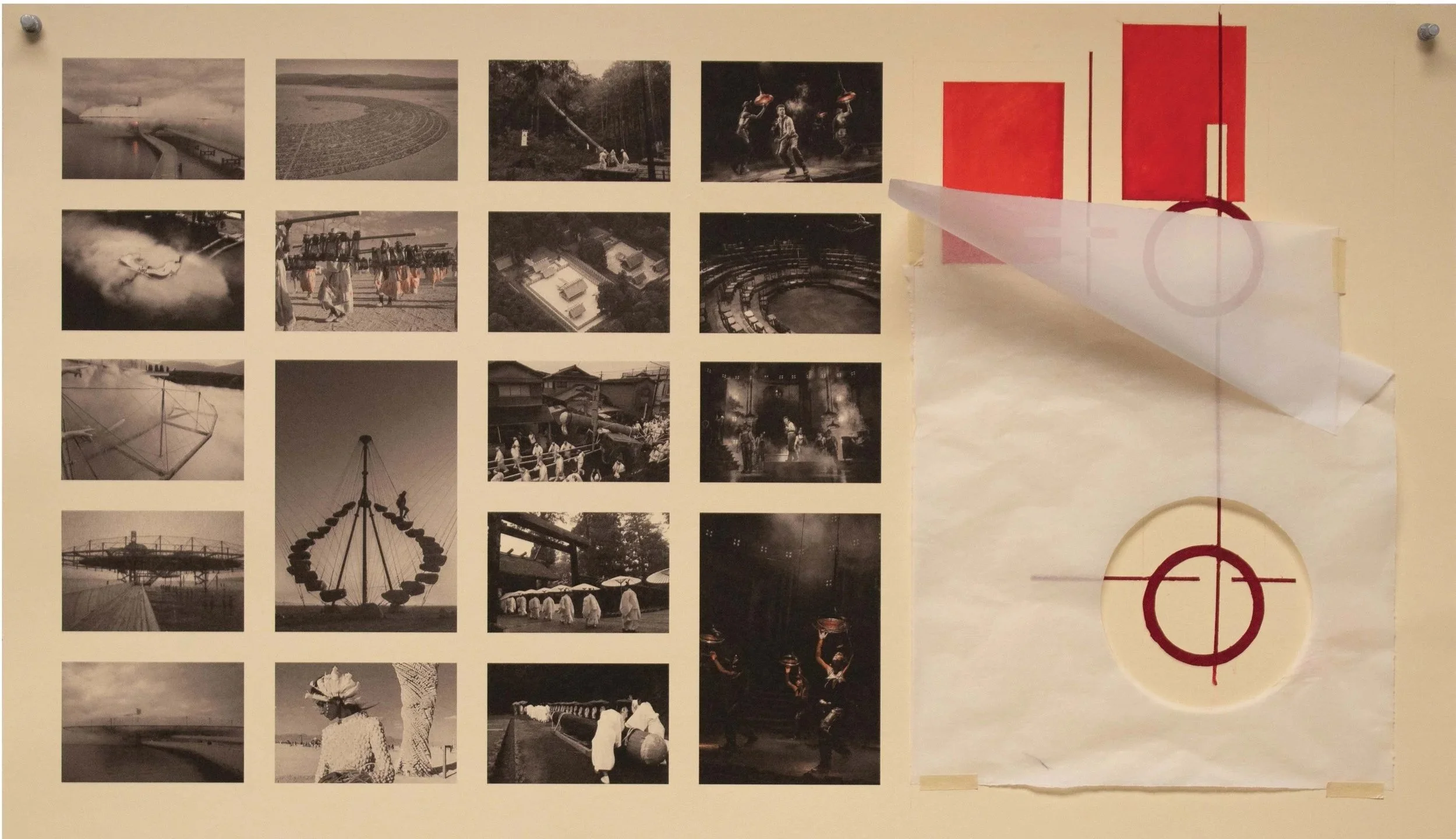
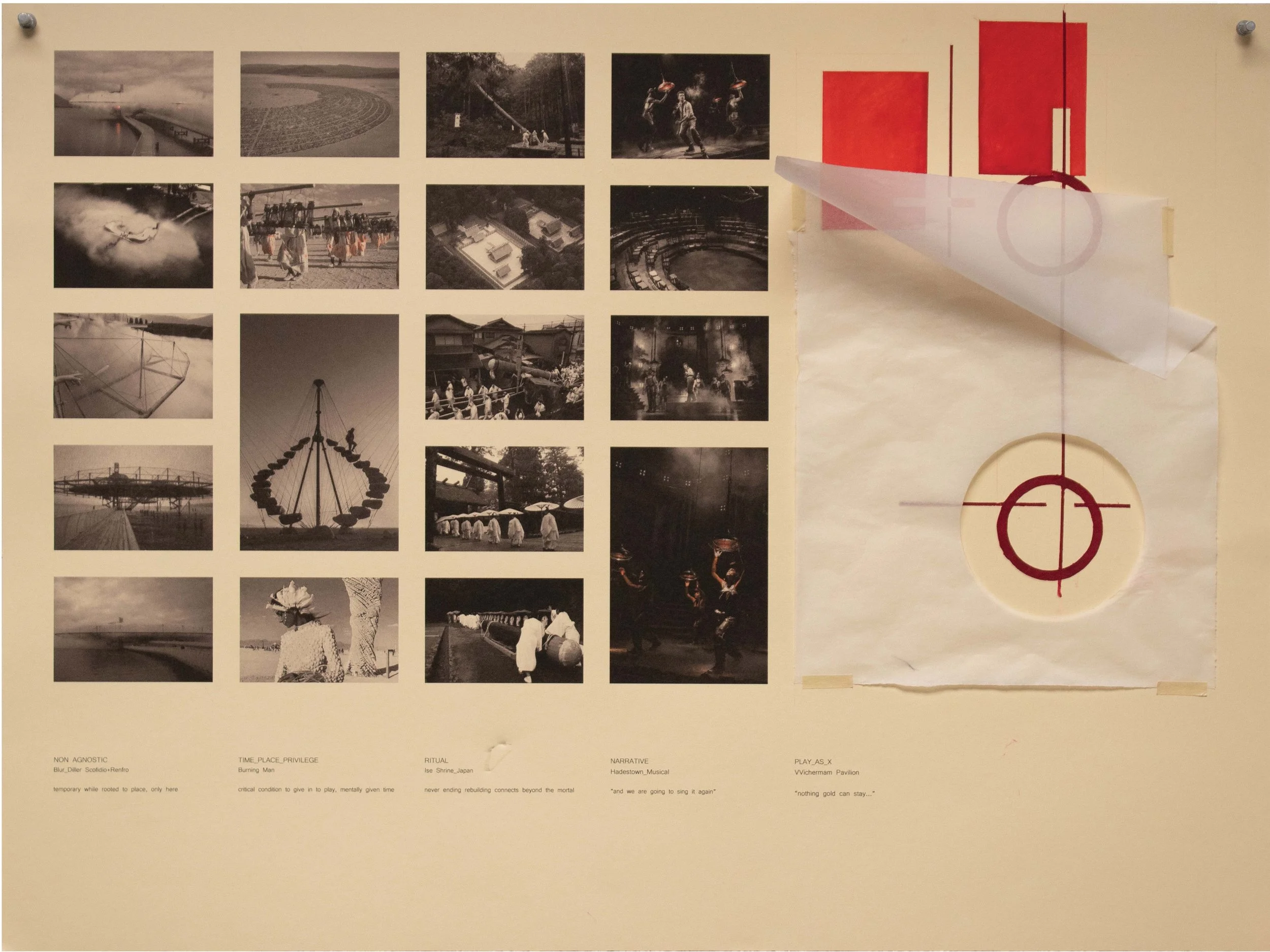
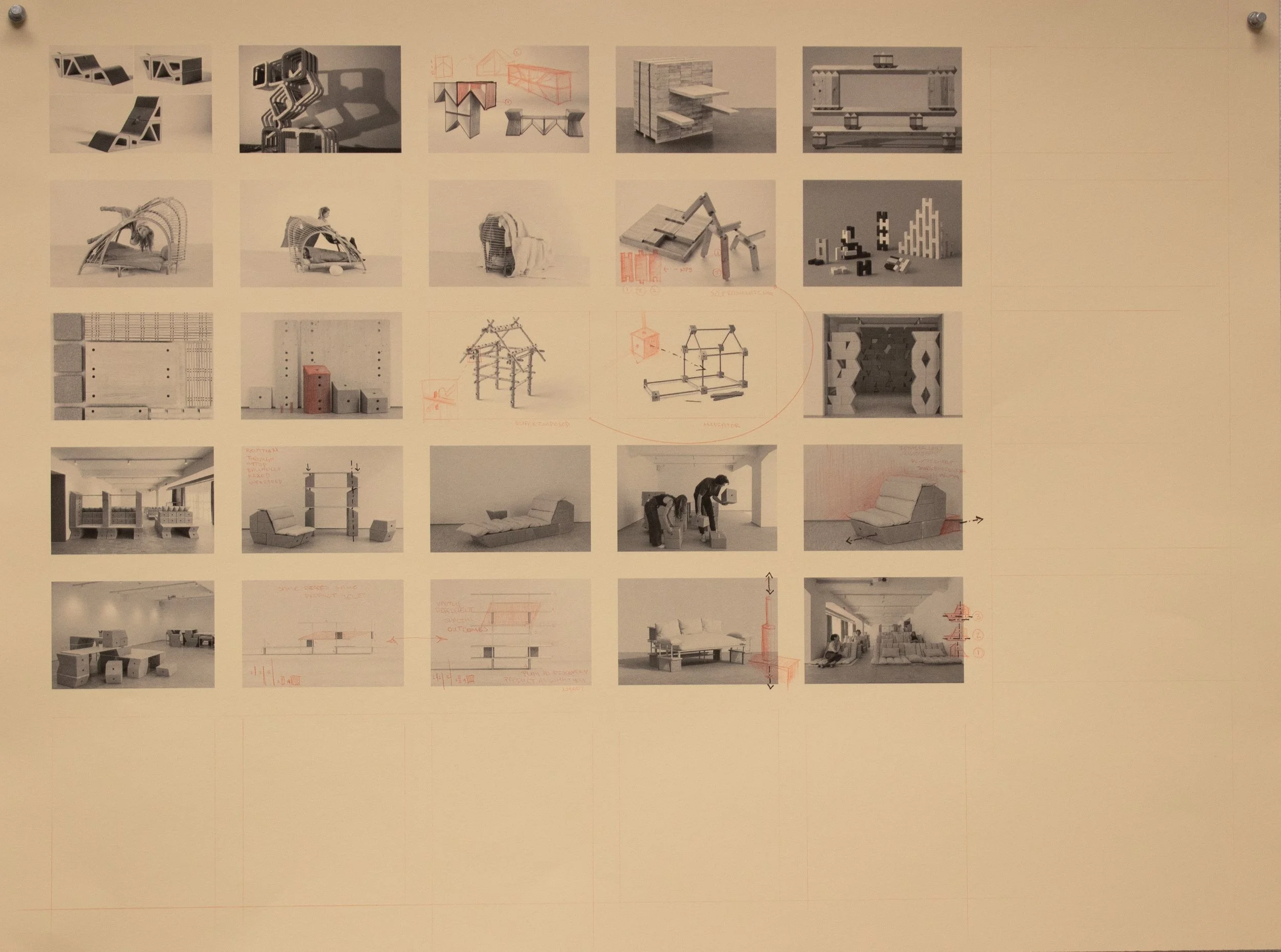
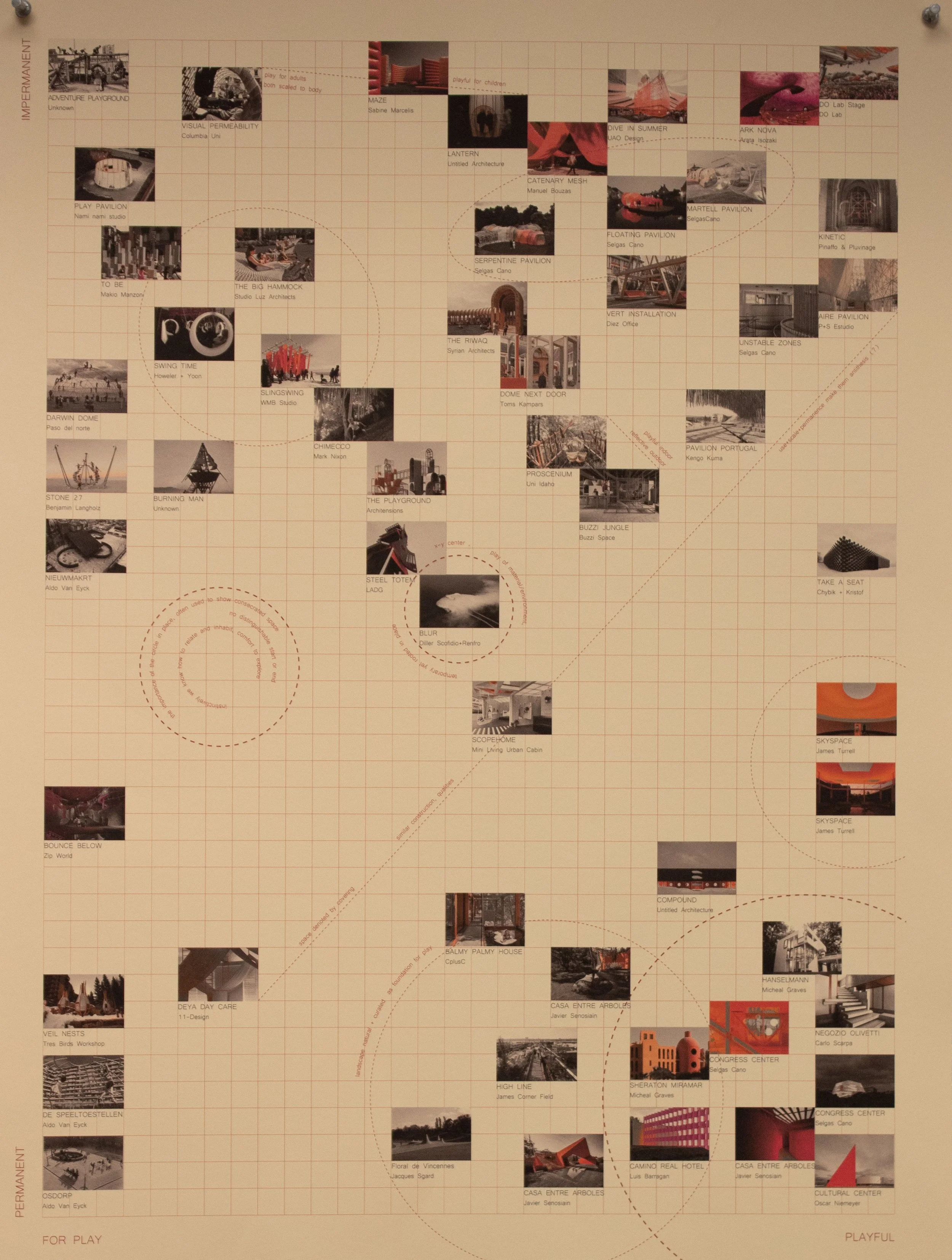
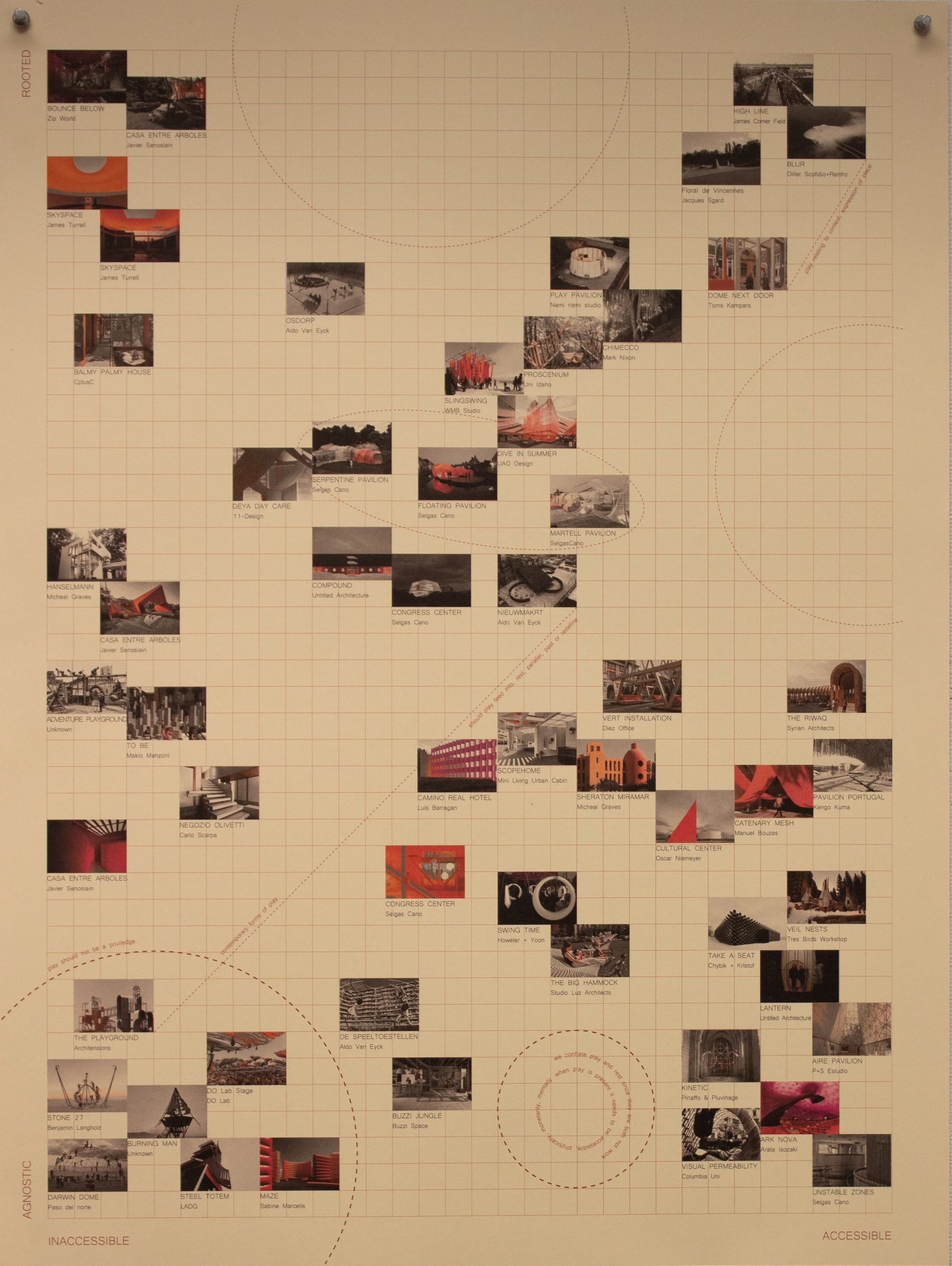
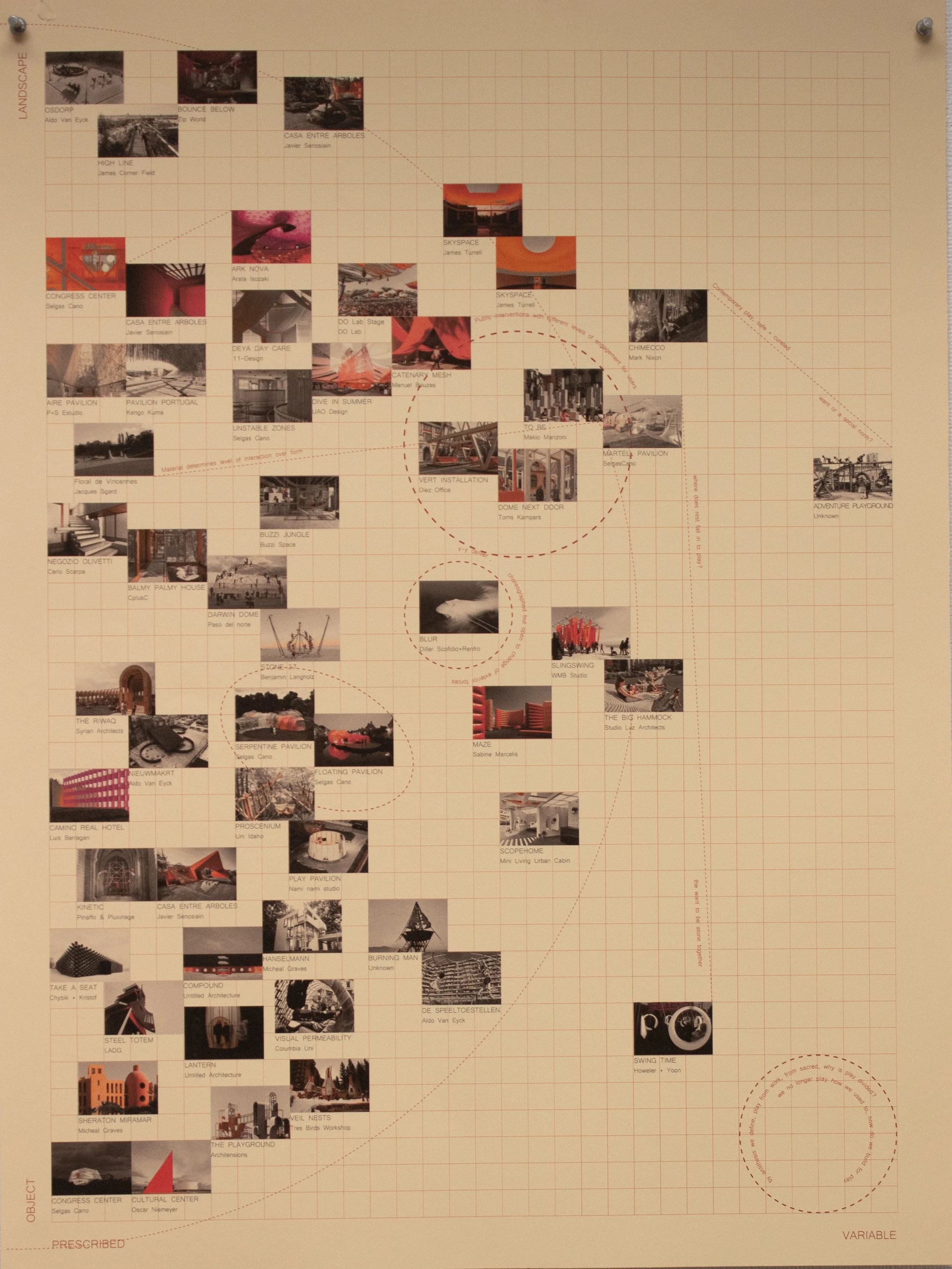
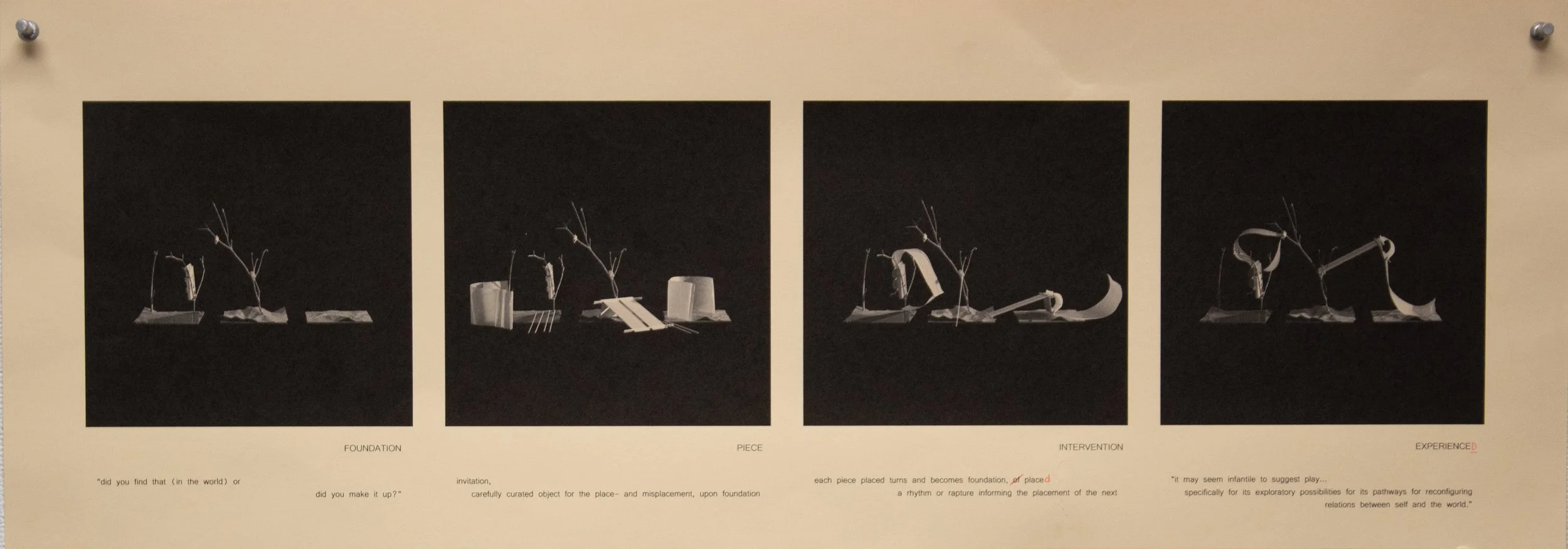
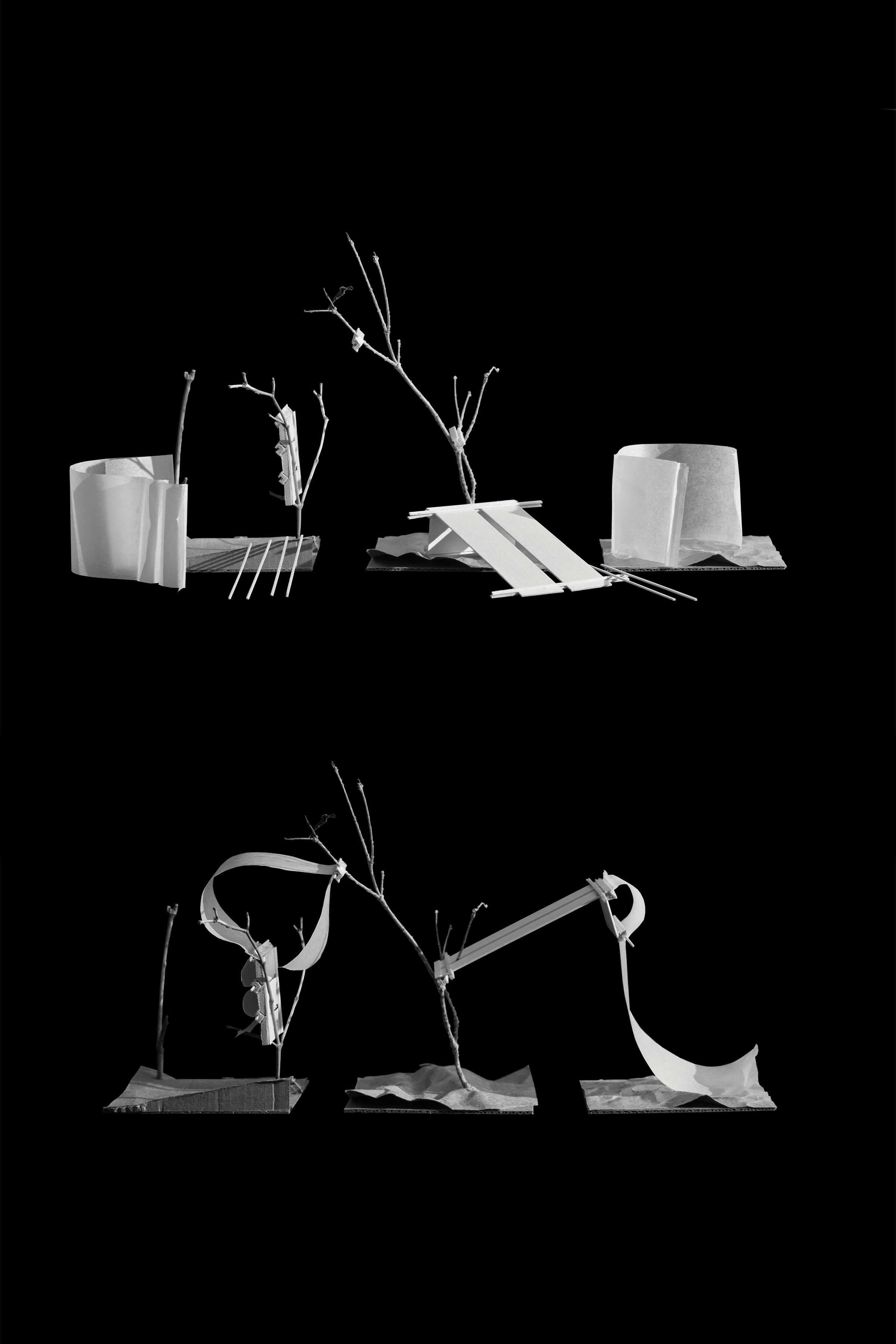
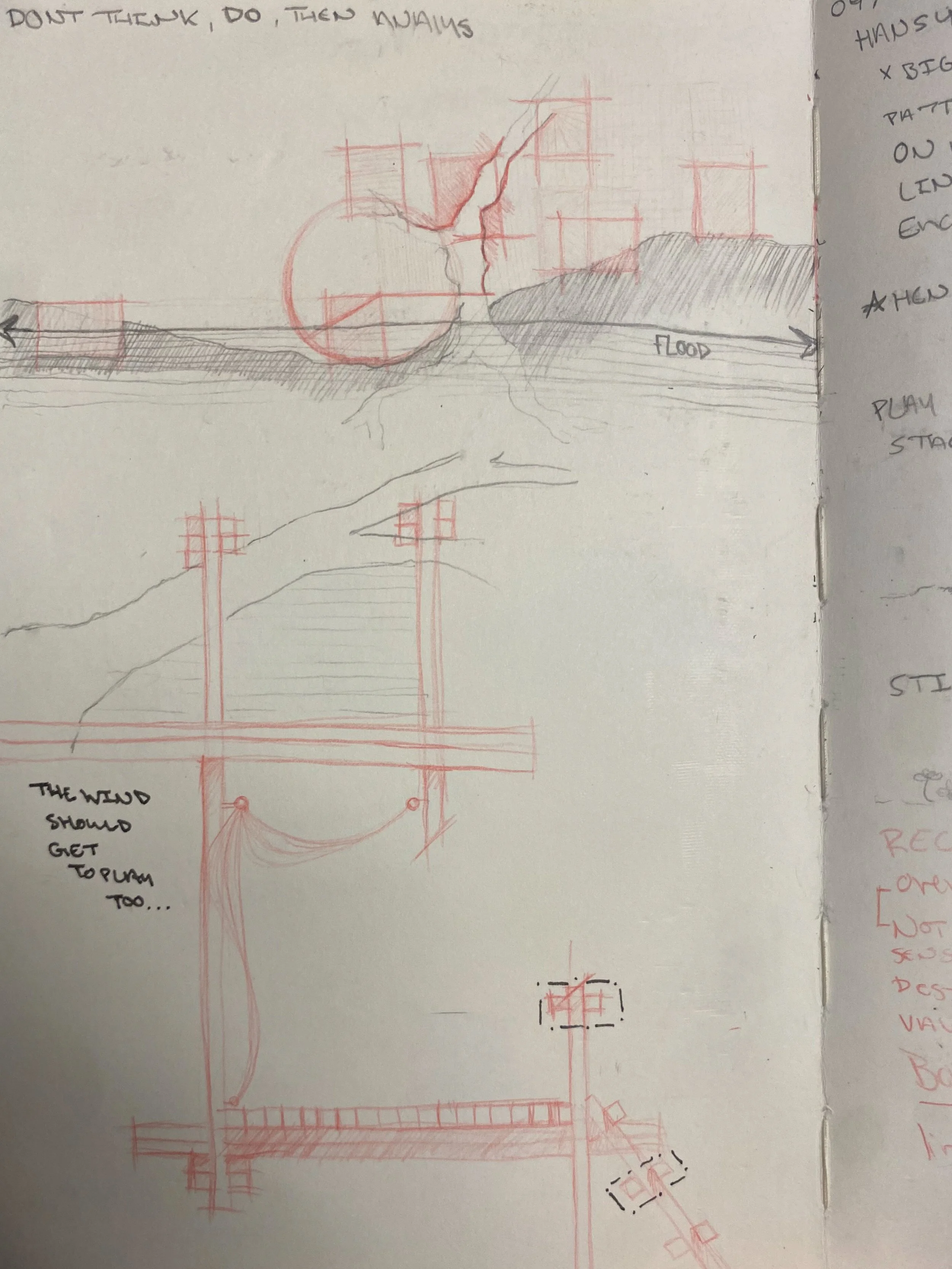
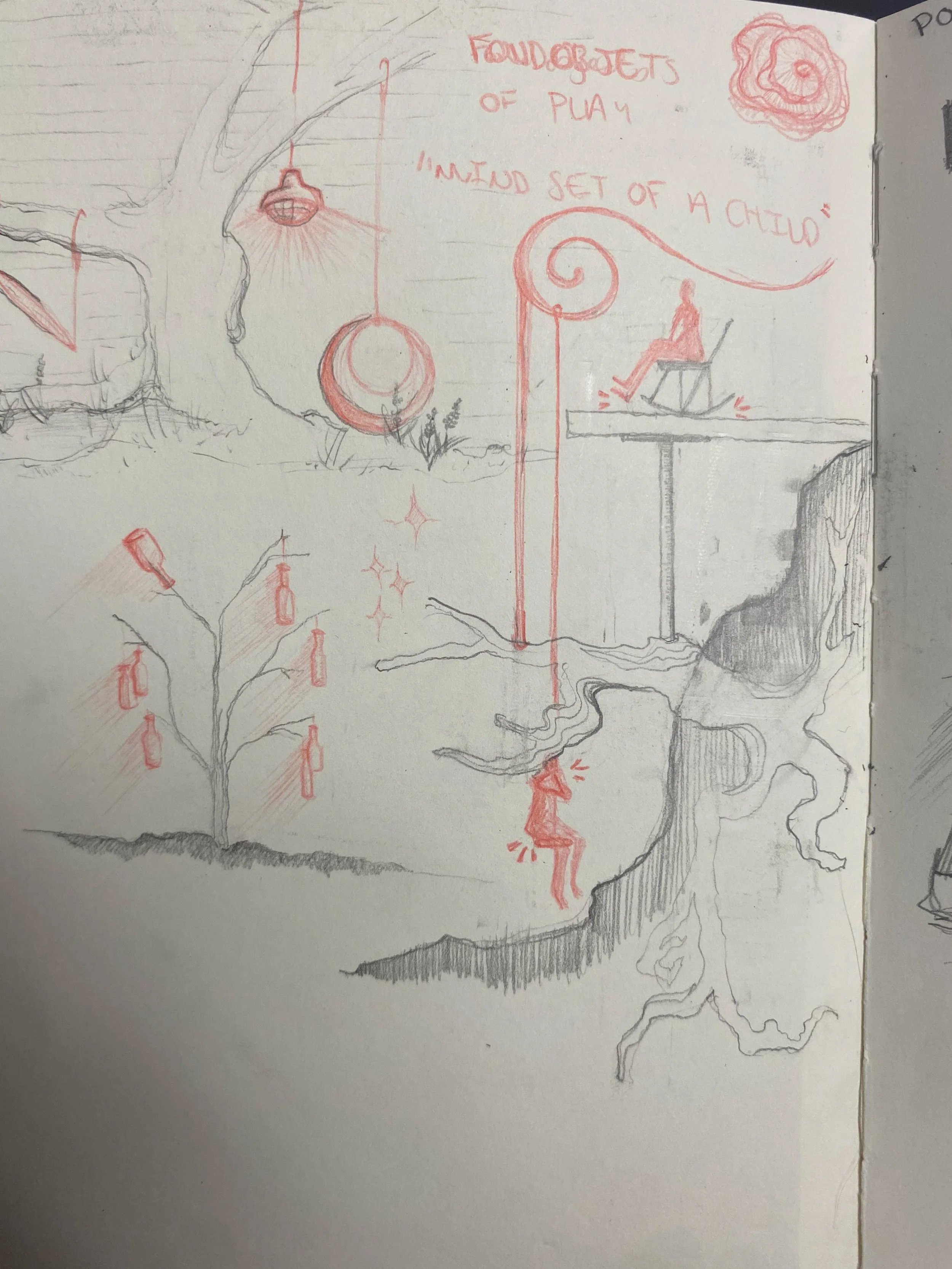
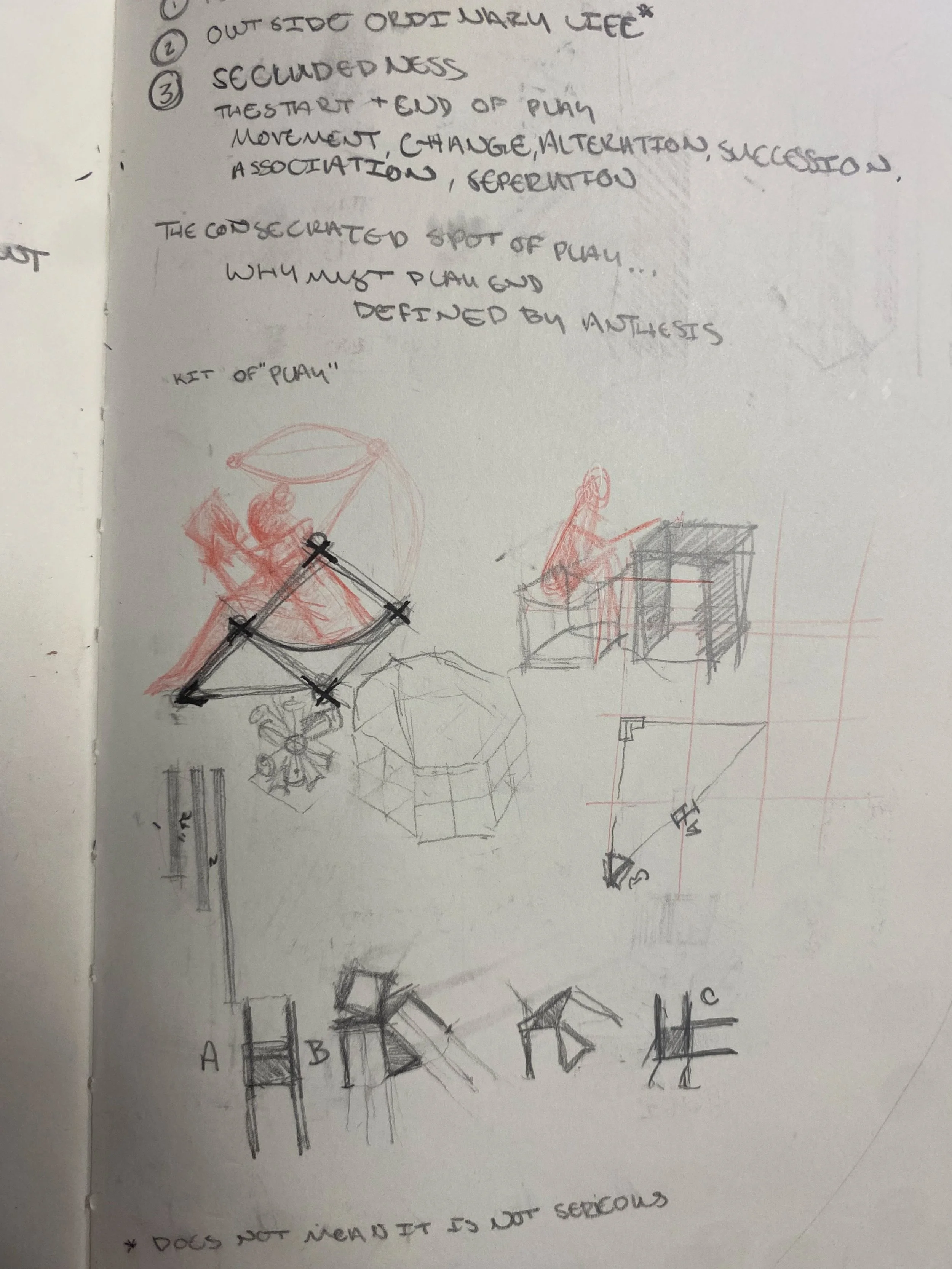
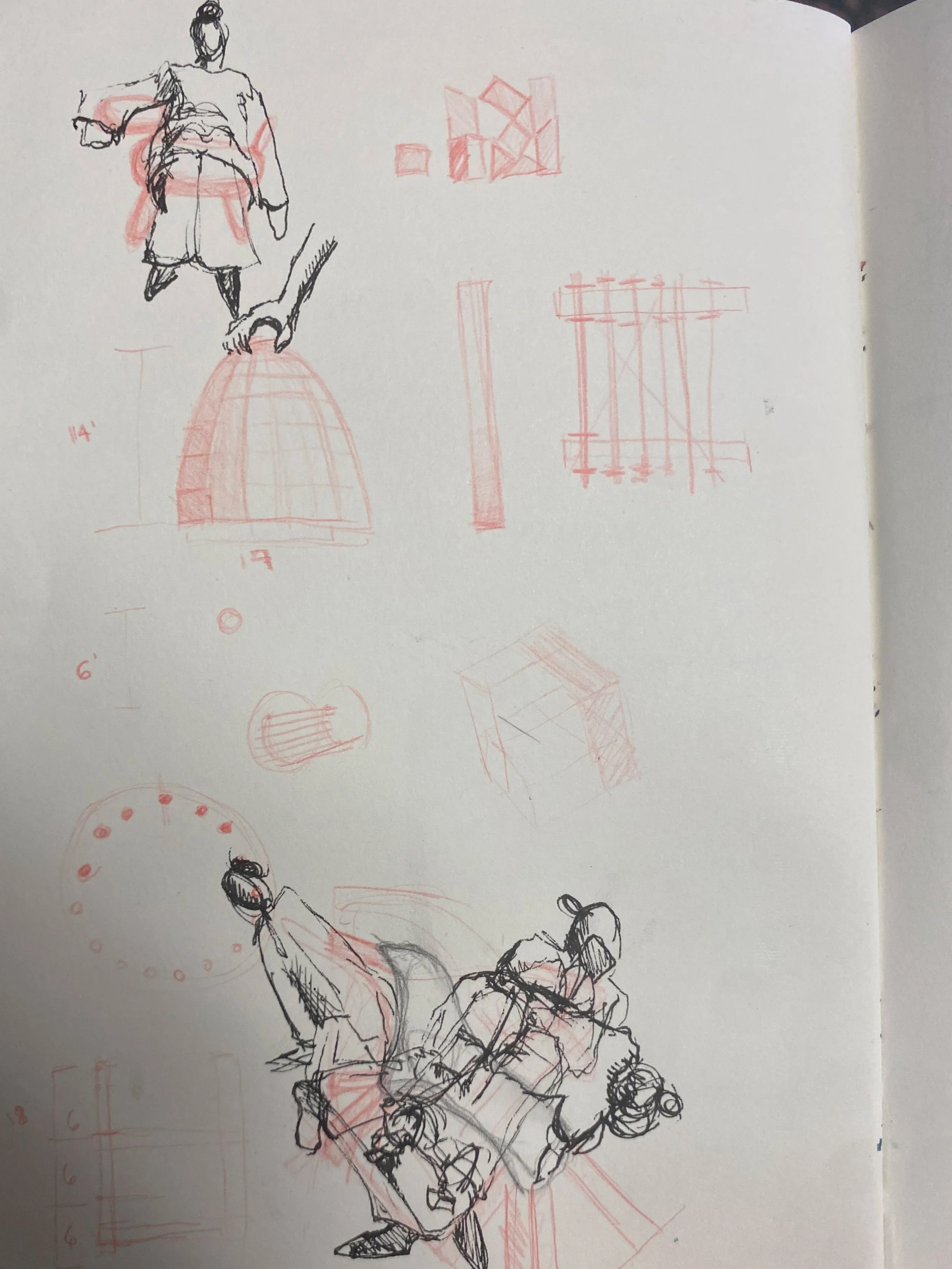
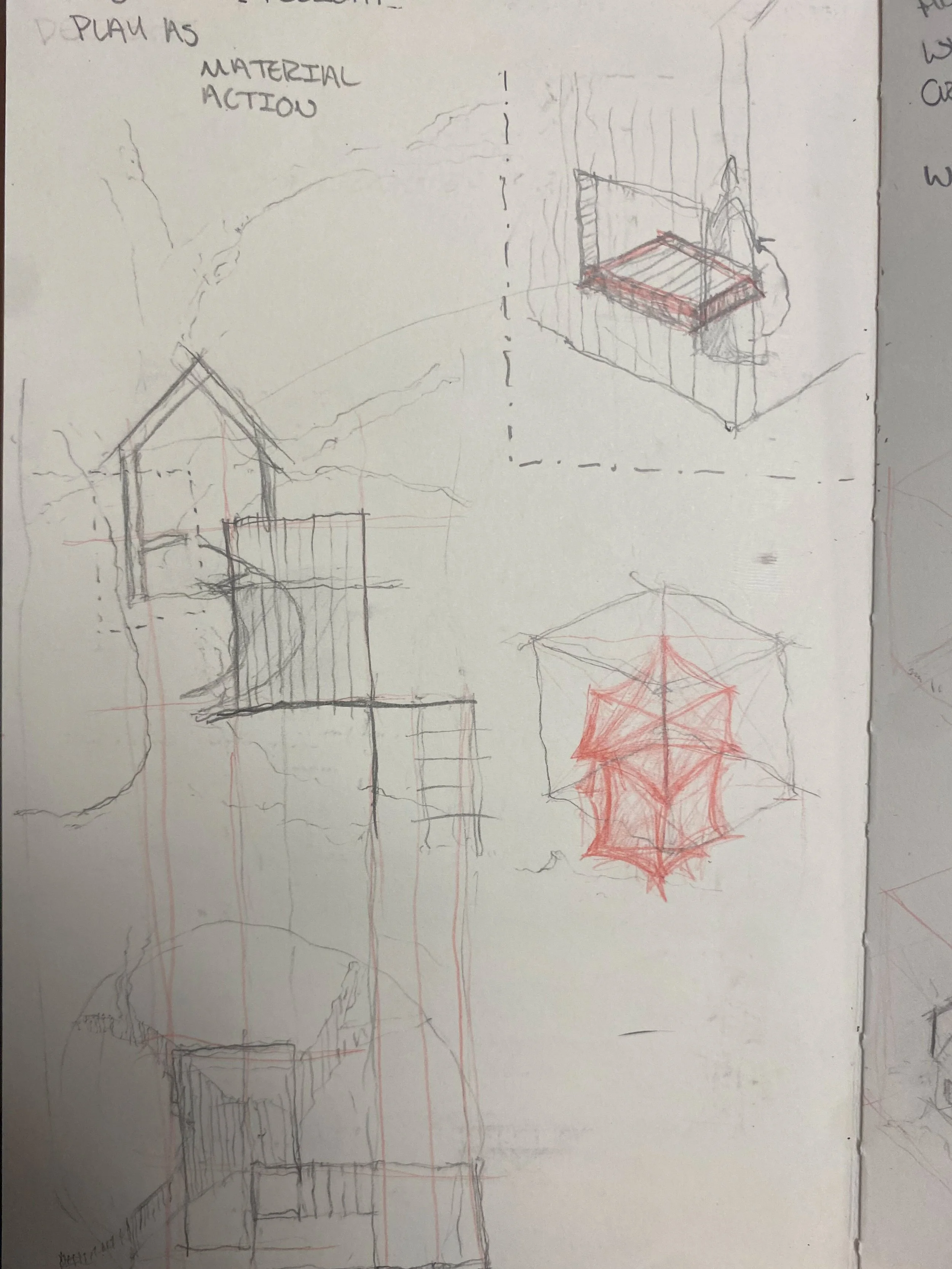
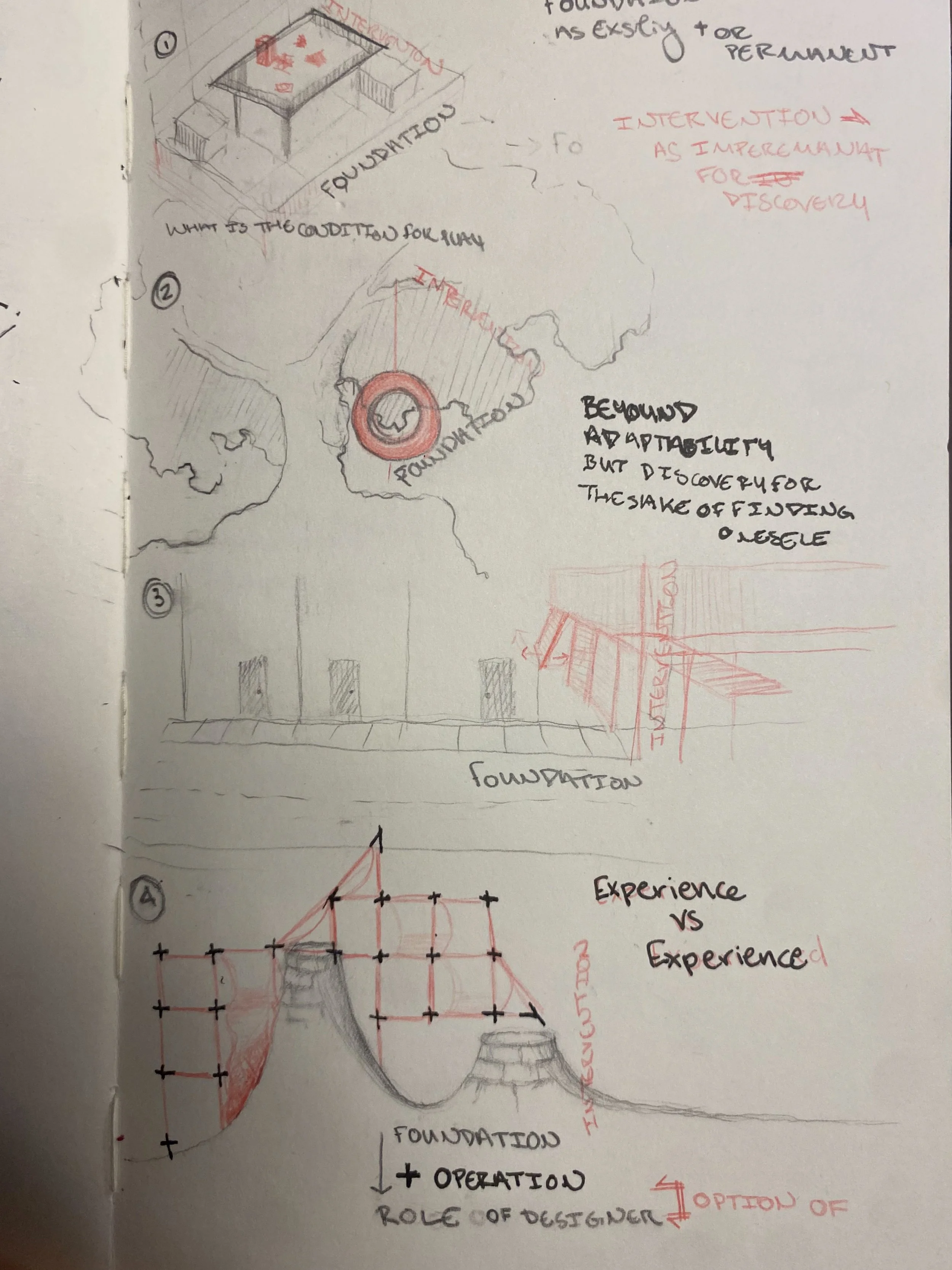
Intrapersonal exploration of play. Discovery of: how I play, how play fits with theory, such as Homo Ludens, and how to facilitate the play of others. Finding key principals to confirm or push back against. Precedent studies determine the correct vehicle for studying, the necessity of play for adults, and its accessibility in the built environment.
Play becomes the catalyst between discovery and understanding, the pride that takes hold when you have positively impacted others, giving individuals claim and cause within their environment. The relinquishing of control in favor of continuity and change, the framework for phase 2.
phase 2:
how do others Play?
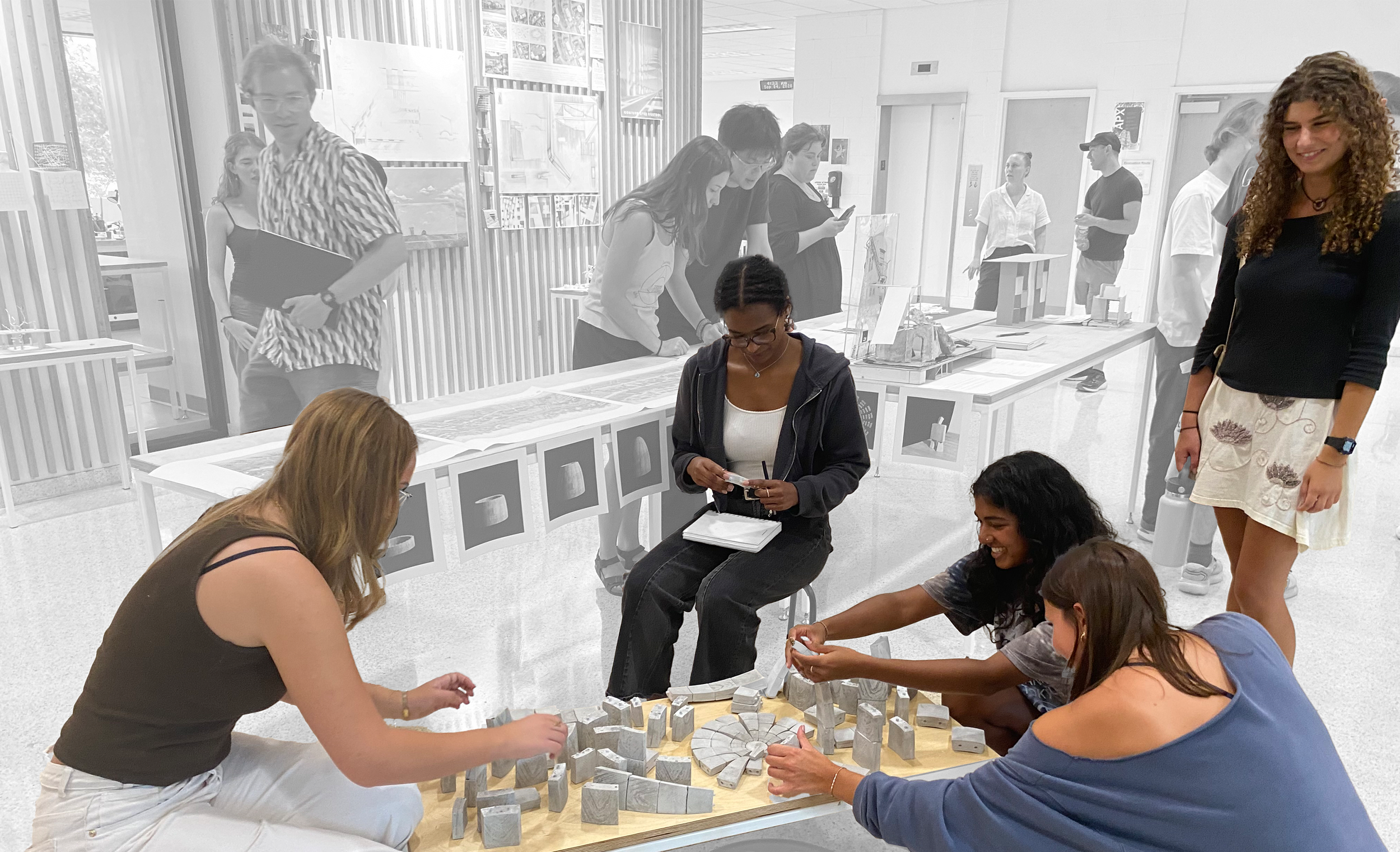
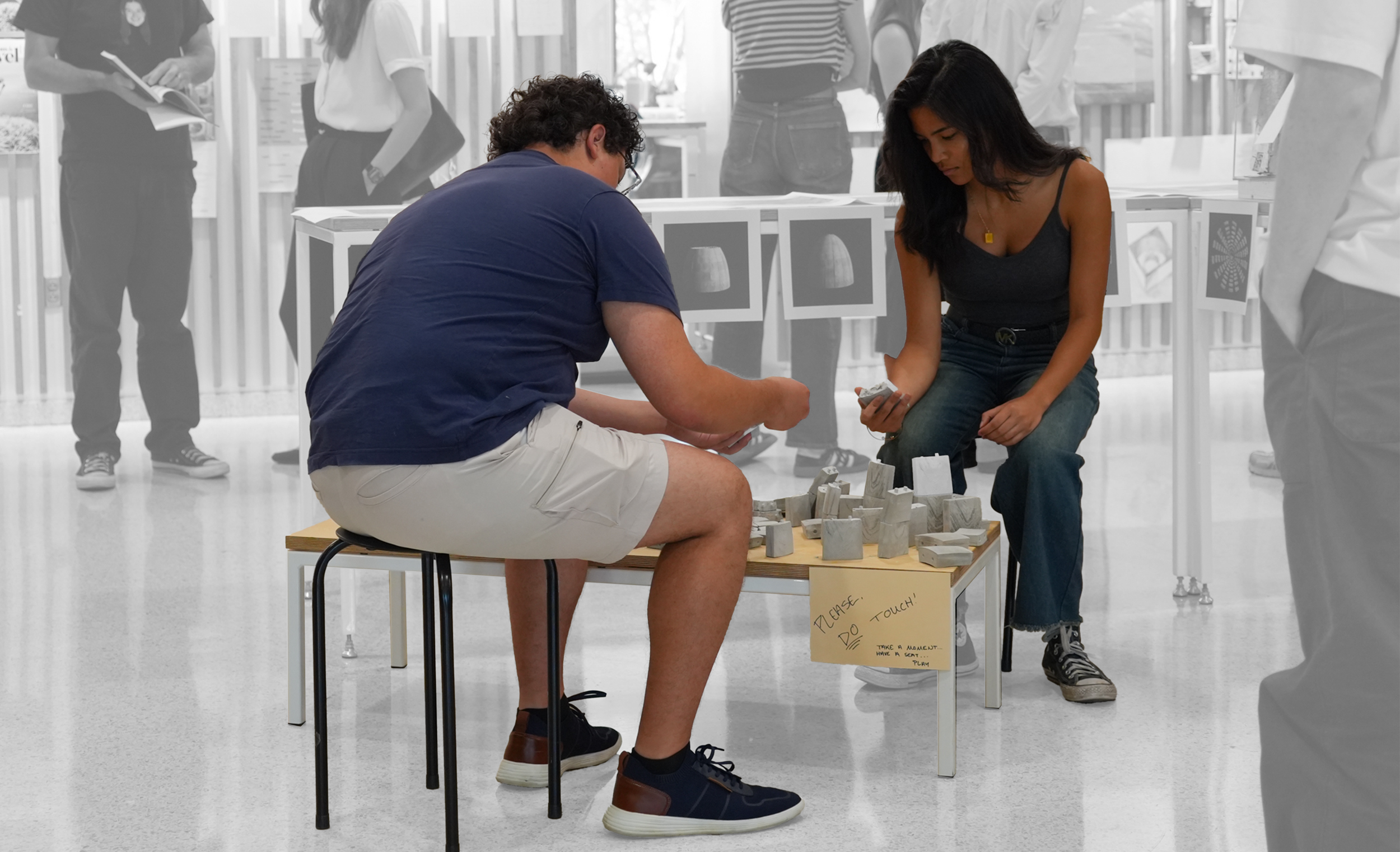
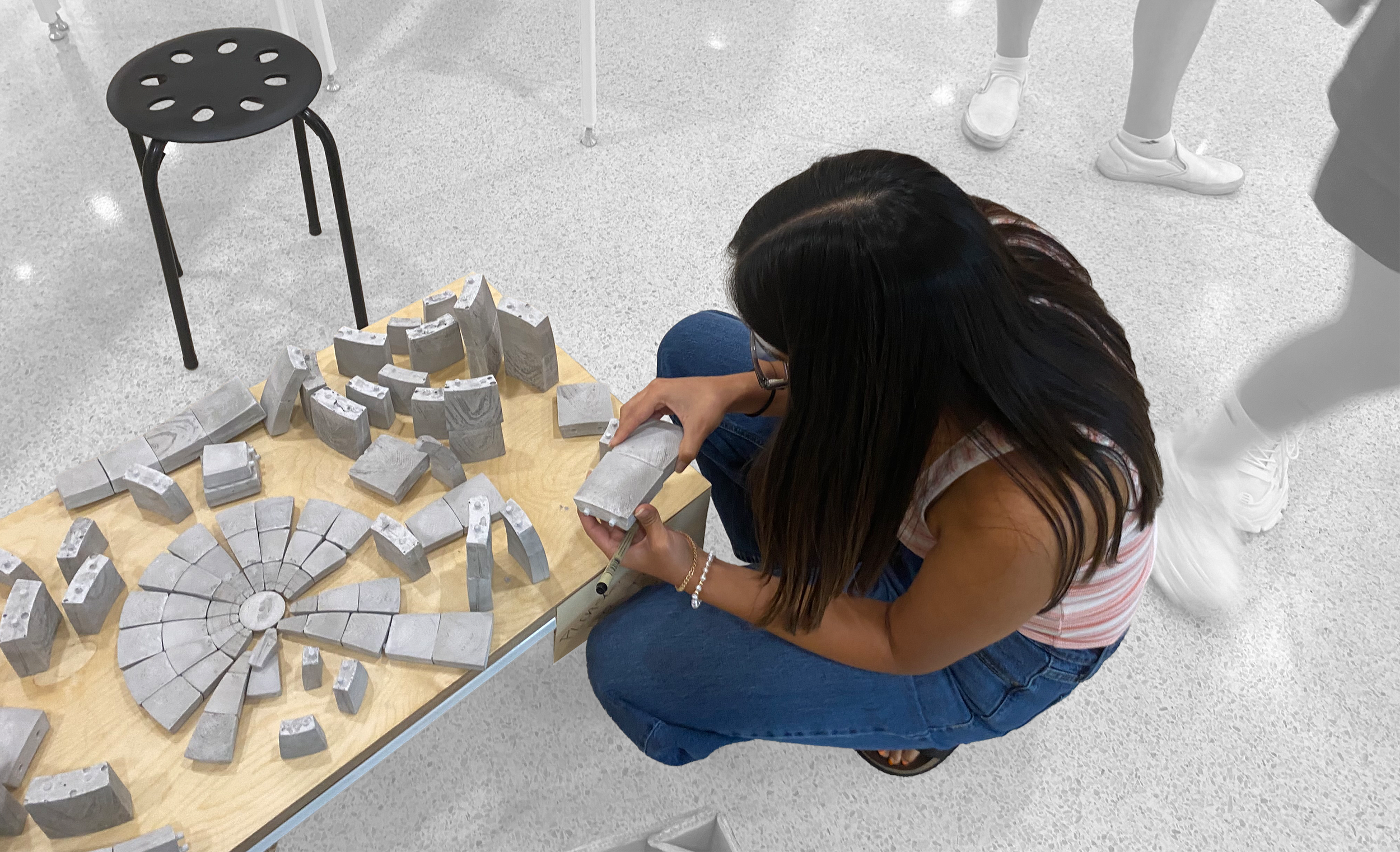
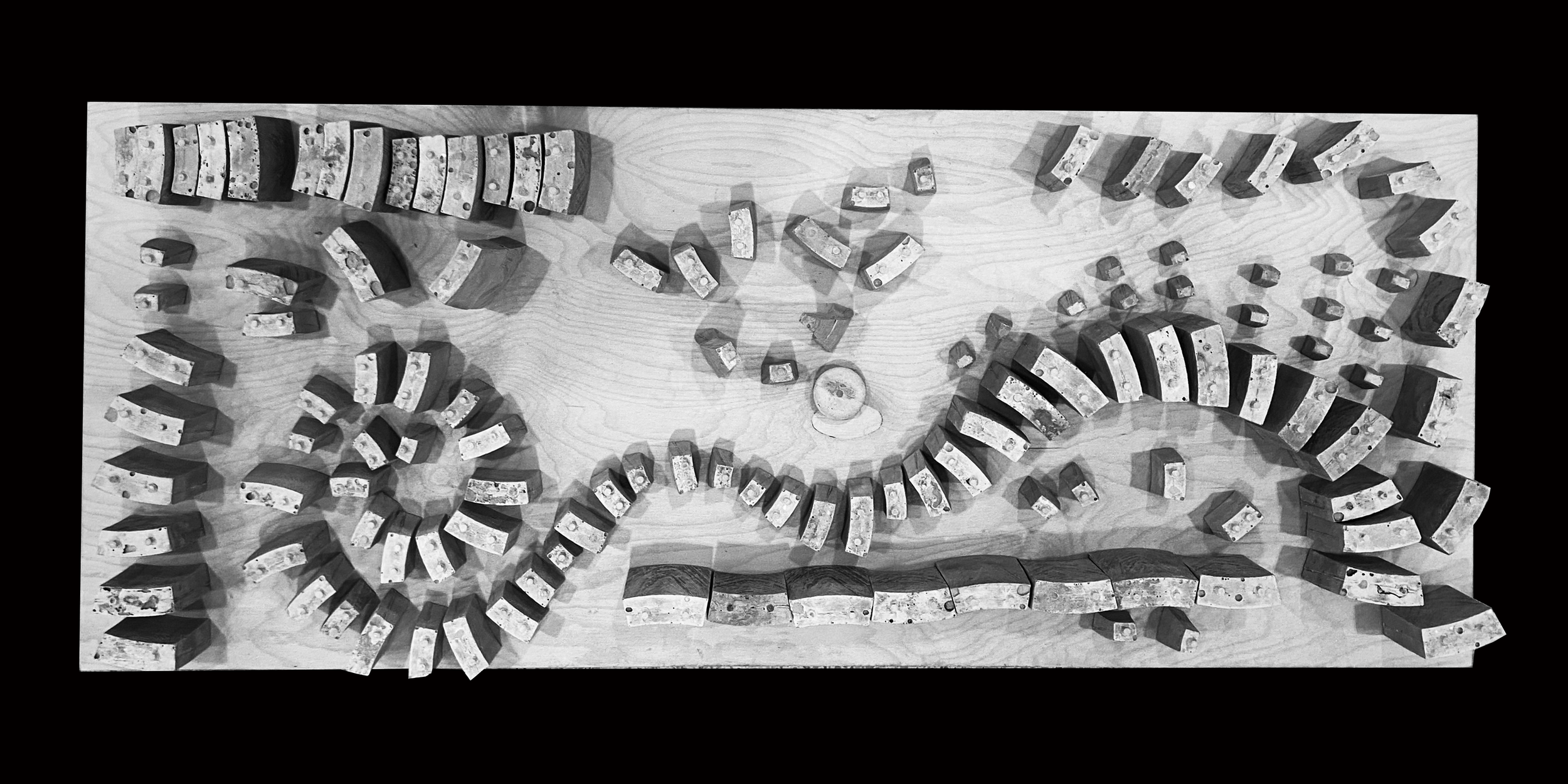
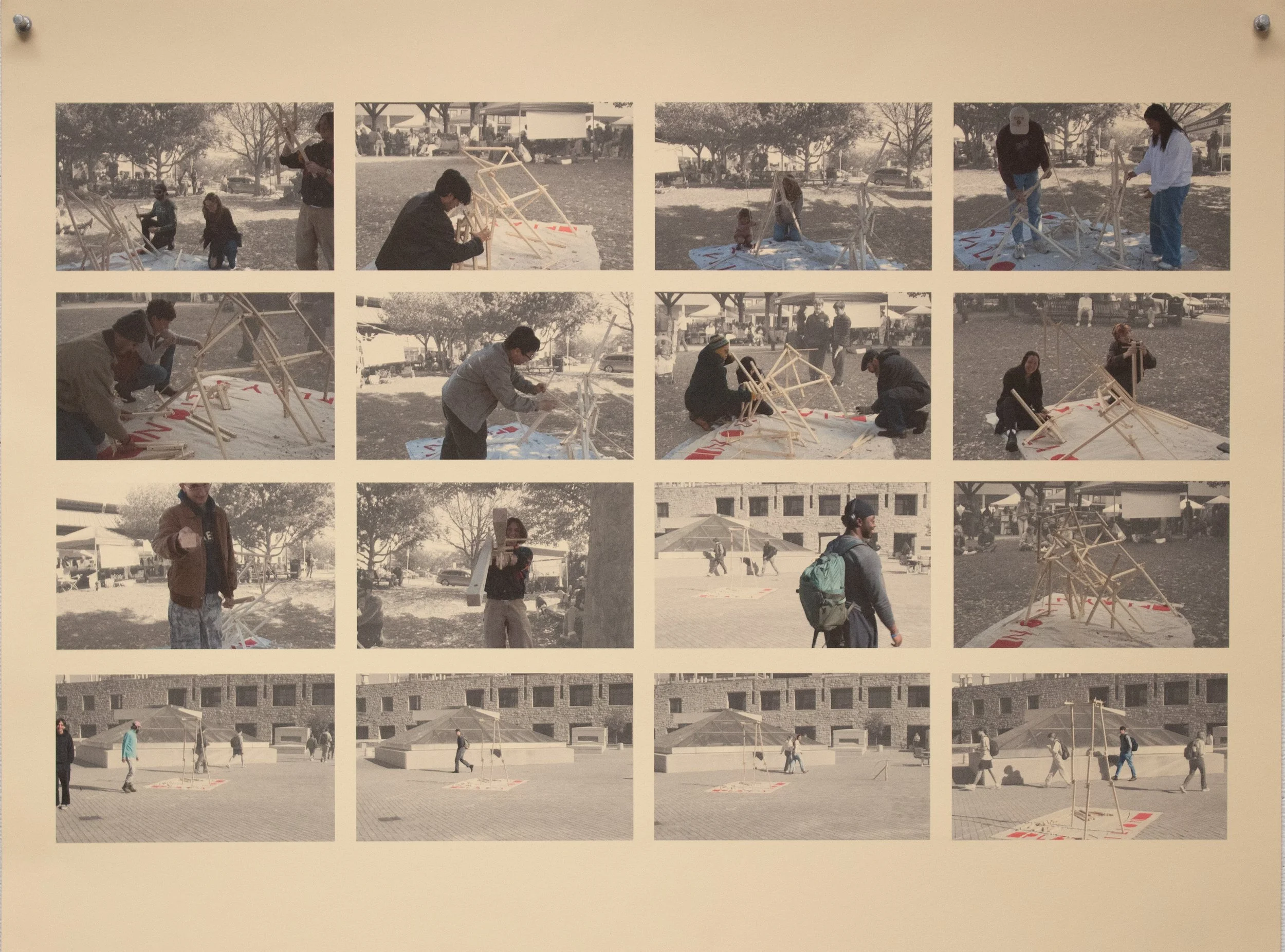
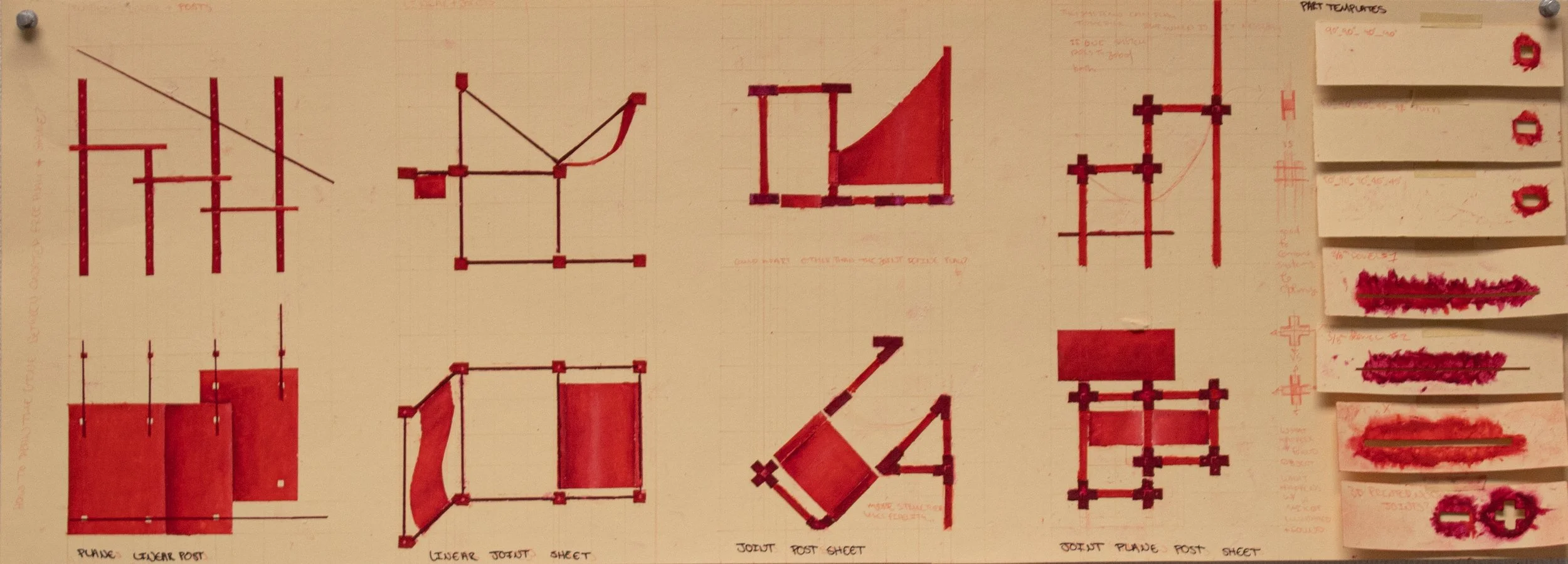
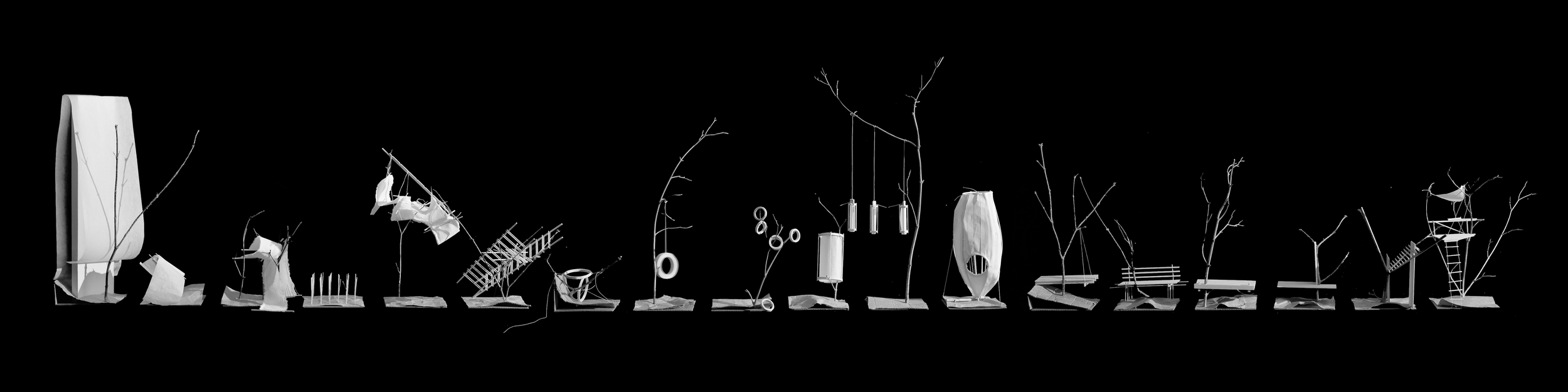
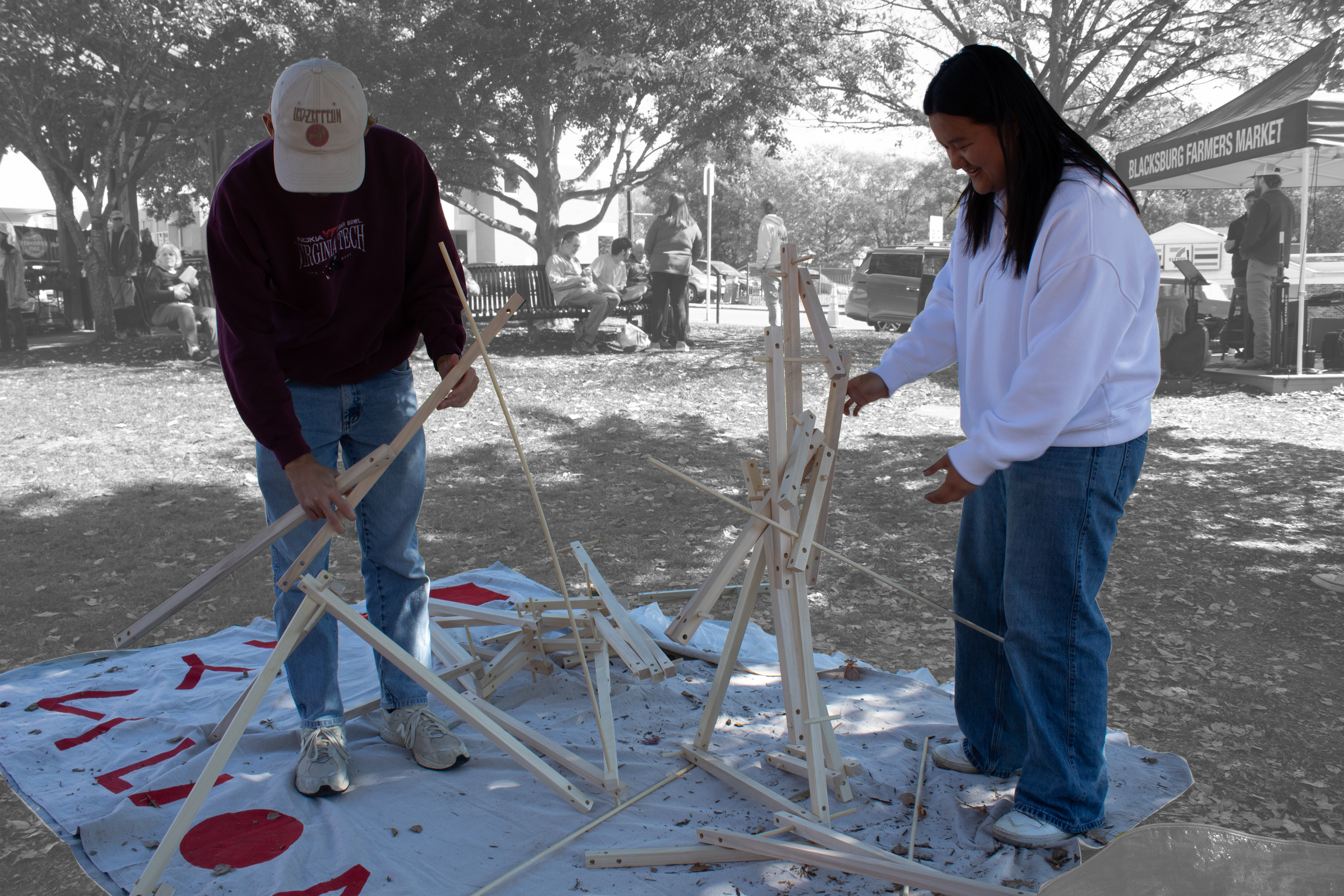
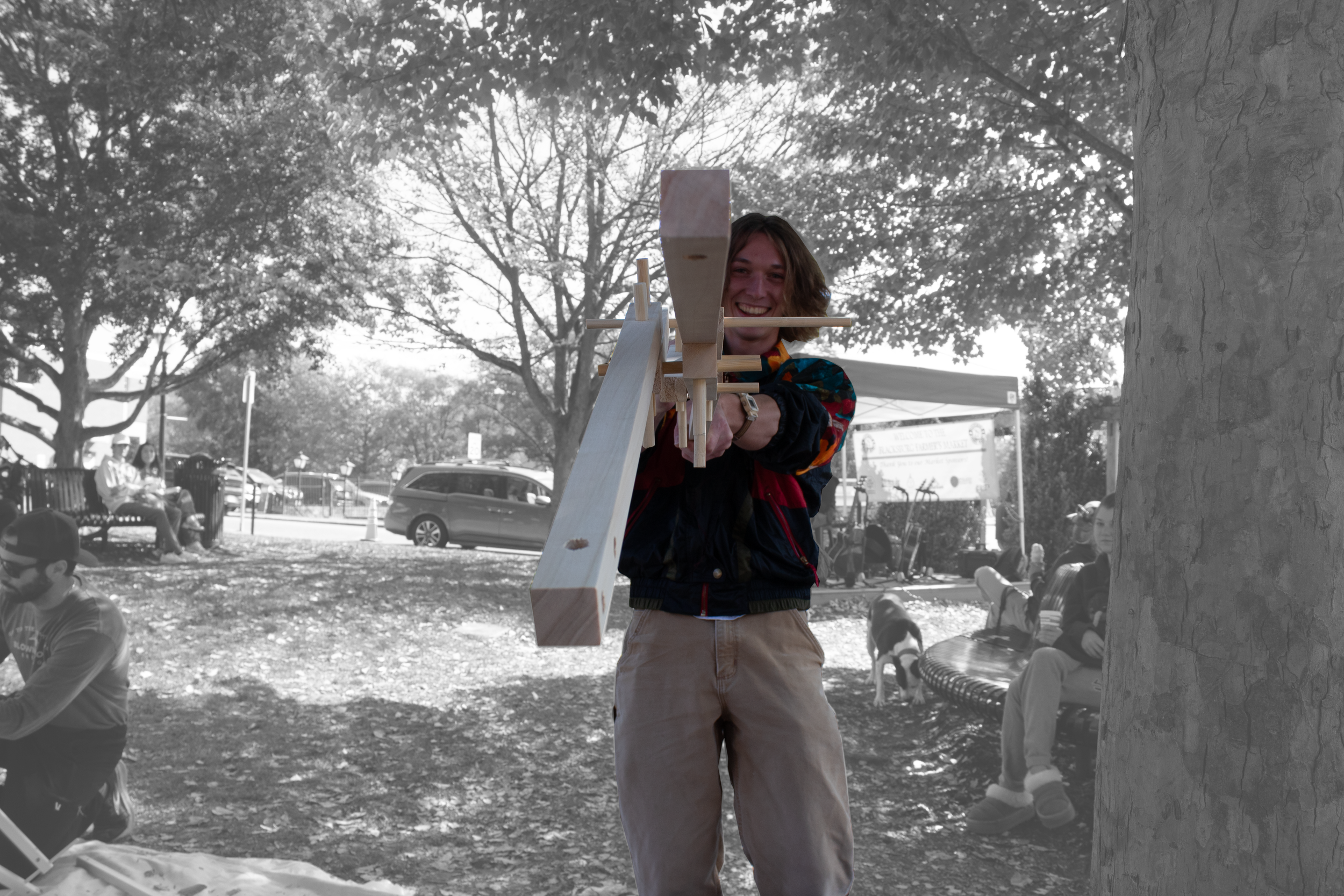
PLAYVILION deploys impermanent pieces of play into the built environment, encouraging discovery, communication, and play. The premise of the study to document how the ever-evolving pieces of play engage the public. 3 locations around Virginia Tech’s Campus have been selected as study locations, The Blacksburg Farmers Market, Burchard Plaza, and the Drillfield. The data collected will be analyzed and implemented, calumniating in the finale test and phase of the thesis.
test 01_Farmers Market
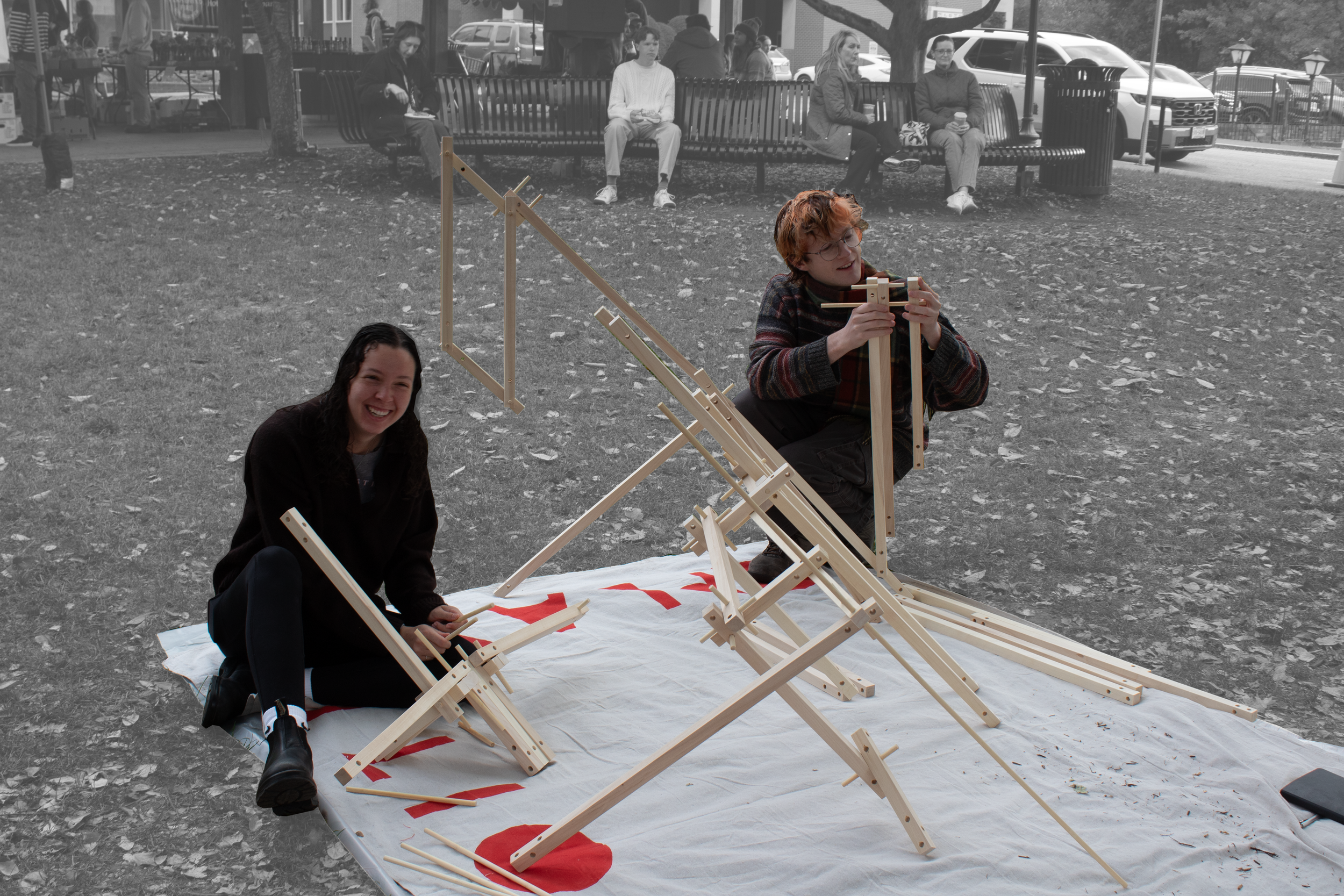
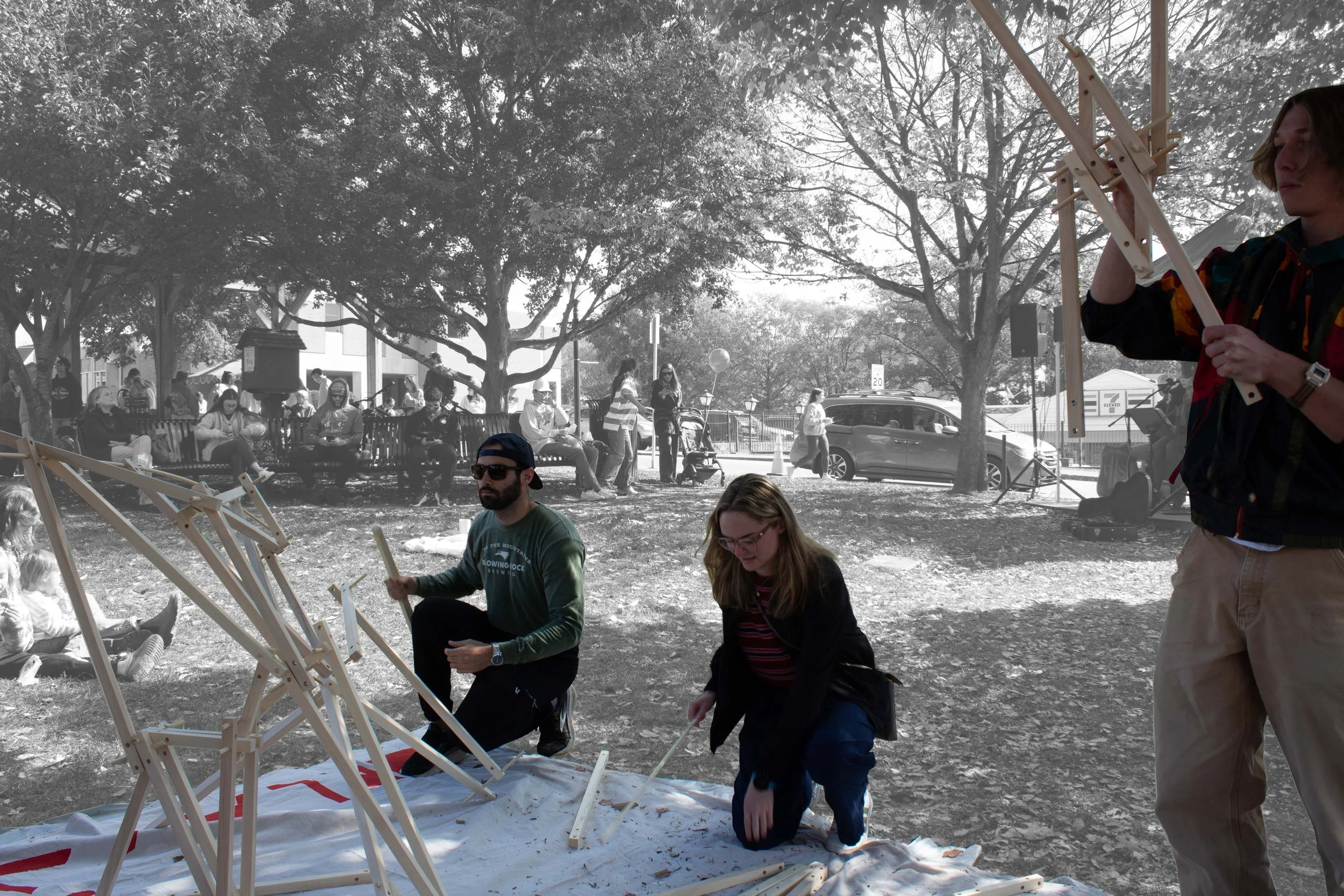
test 01_Burchard Plaza
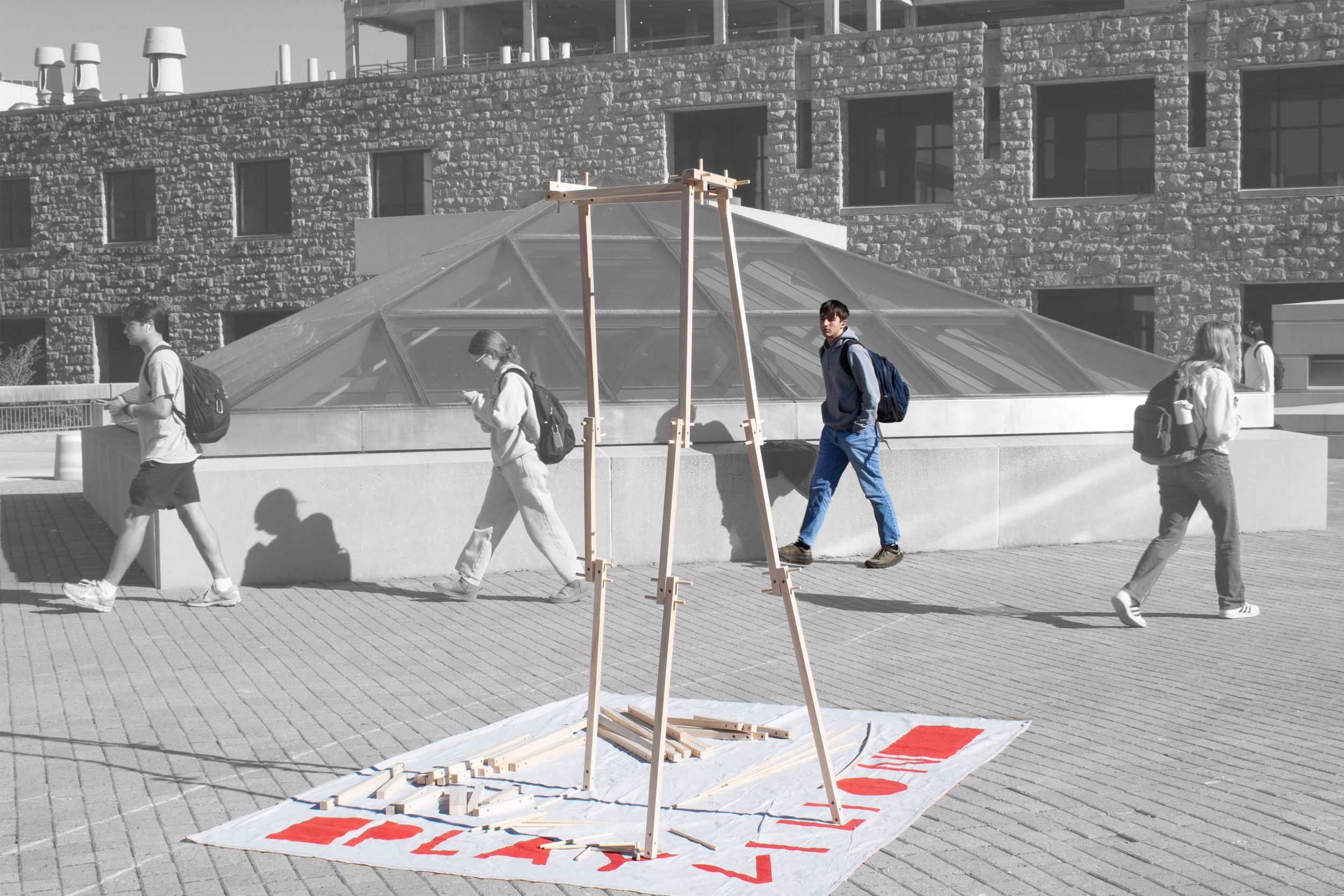
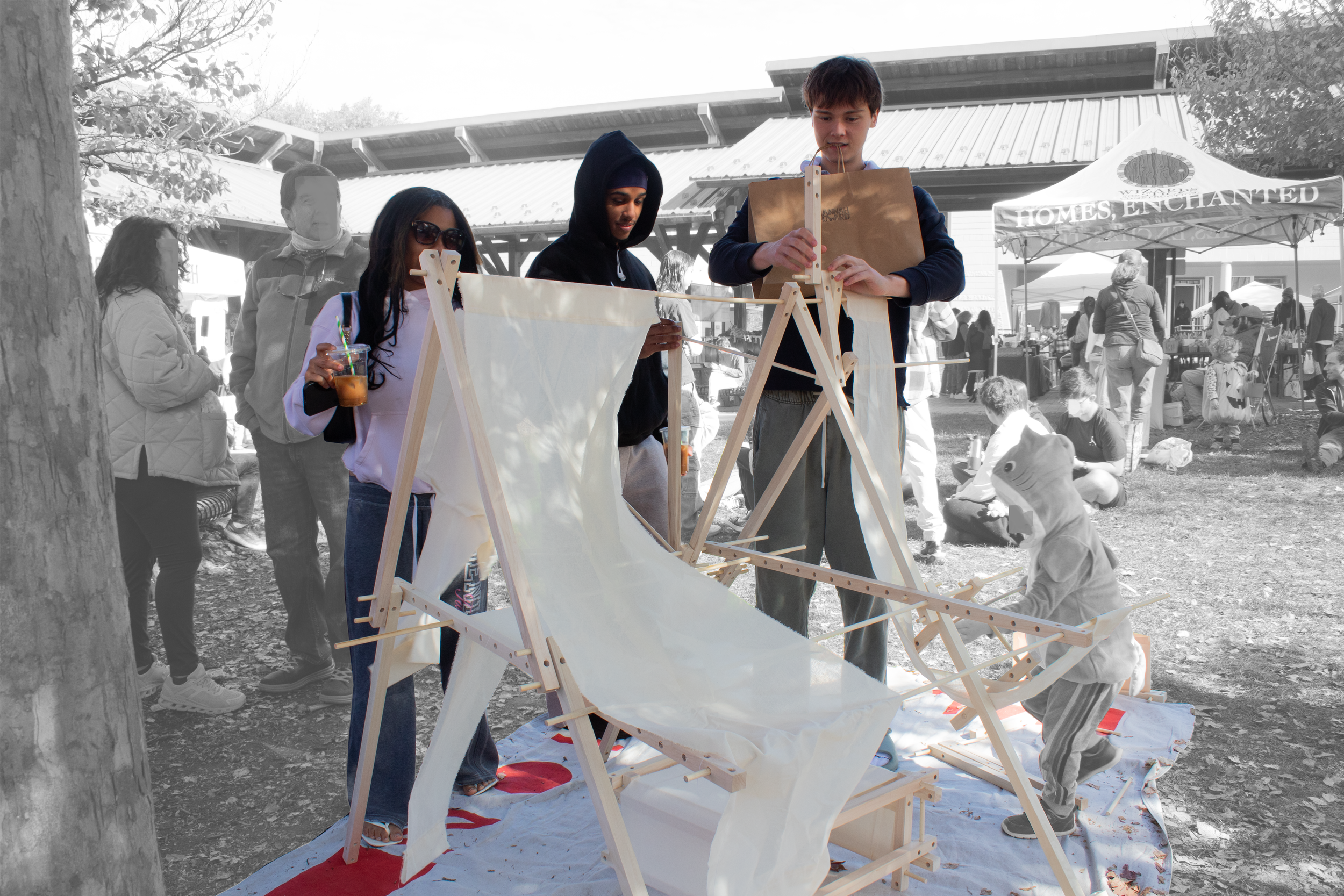
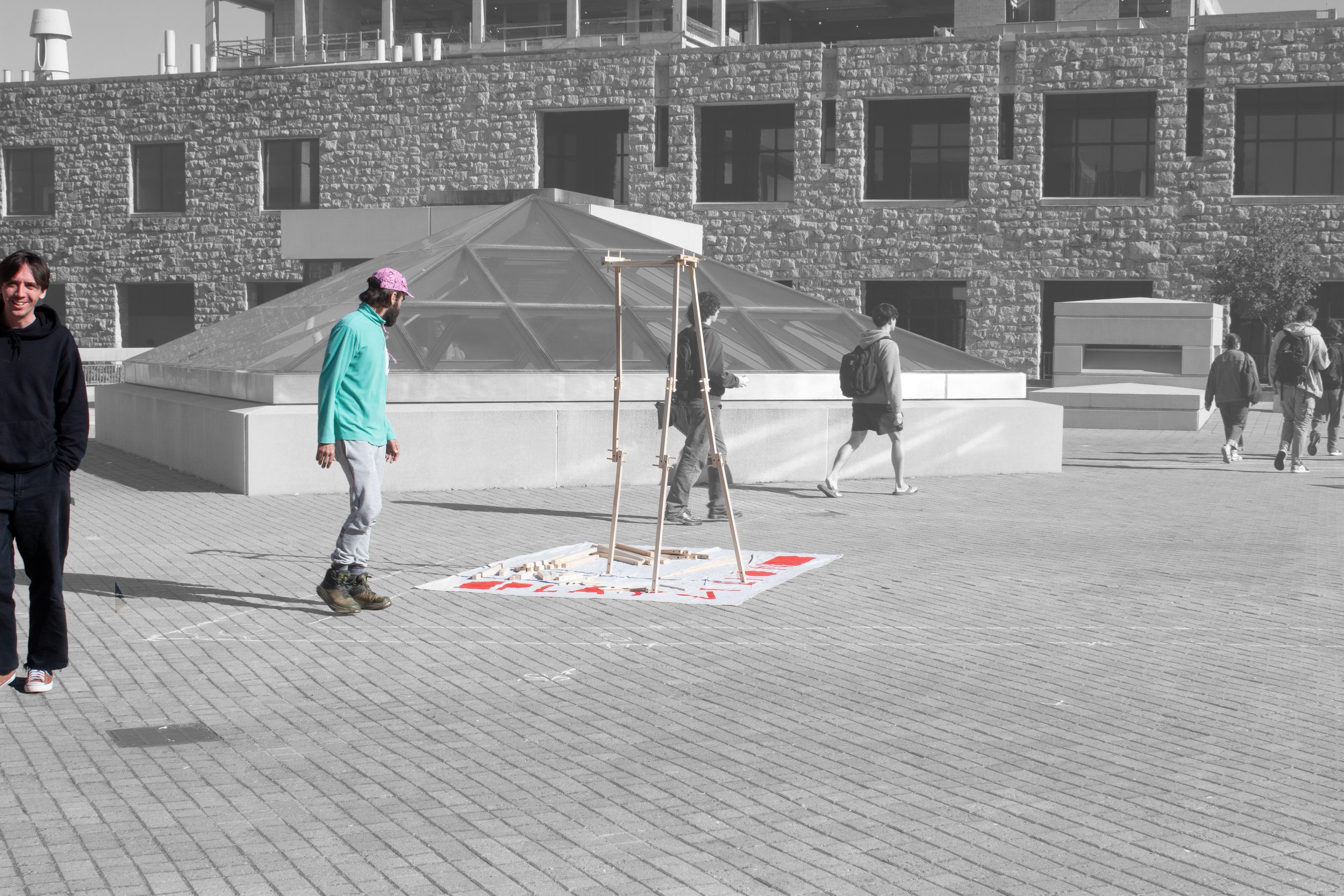
test 01_Bus Loop

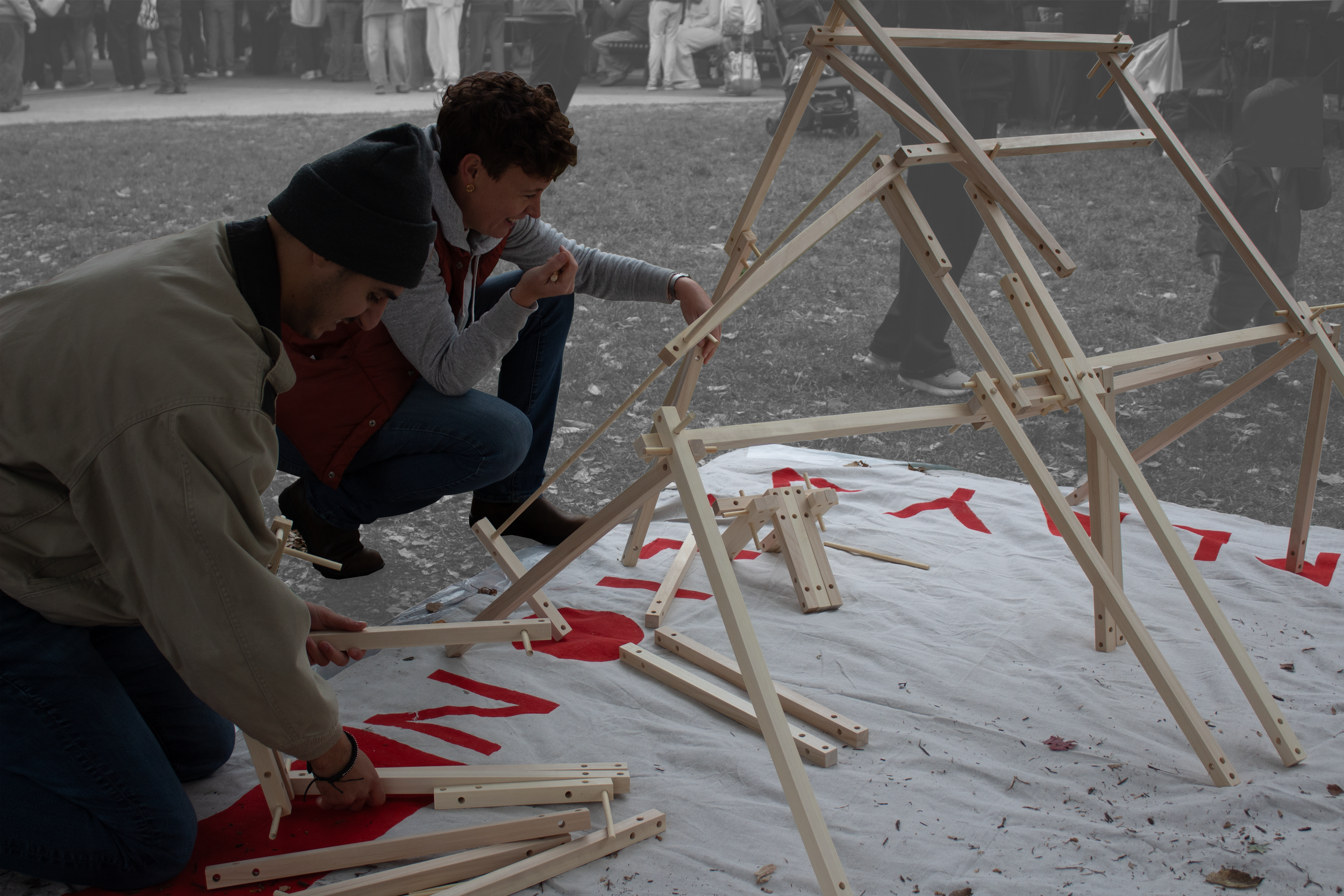
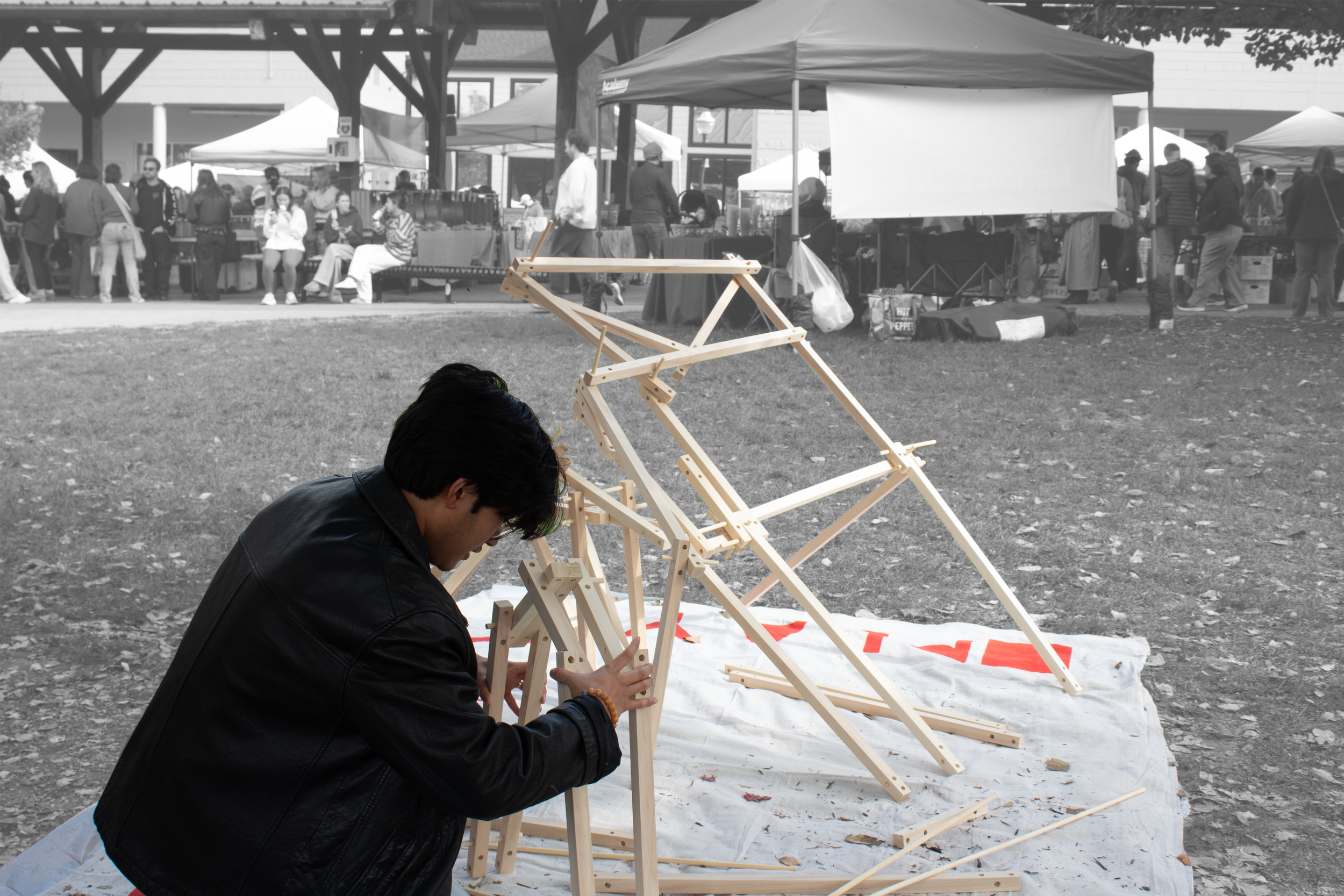
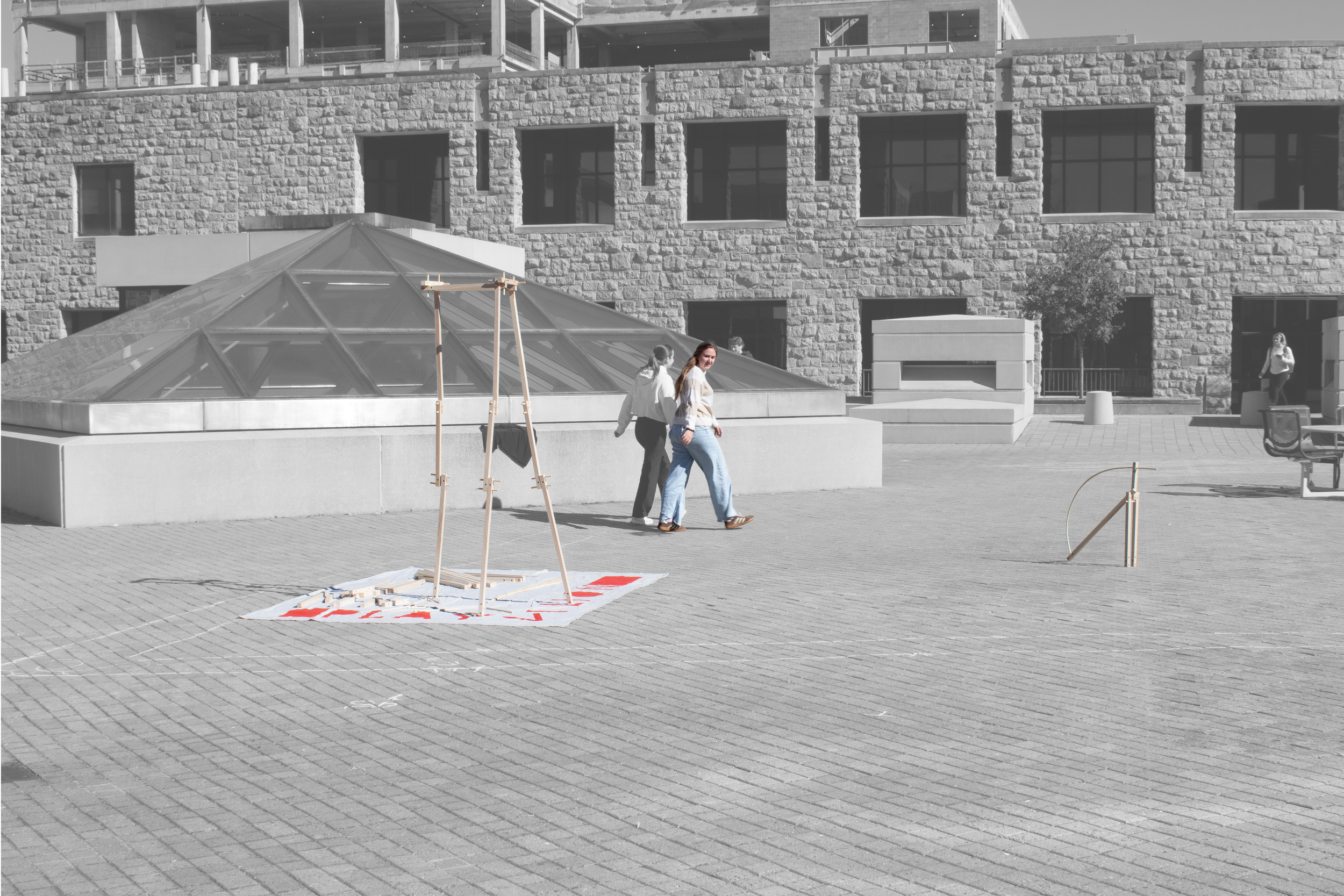
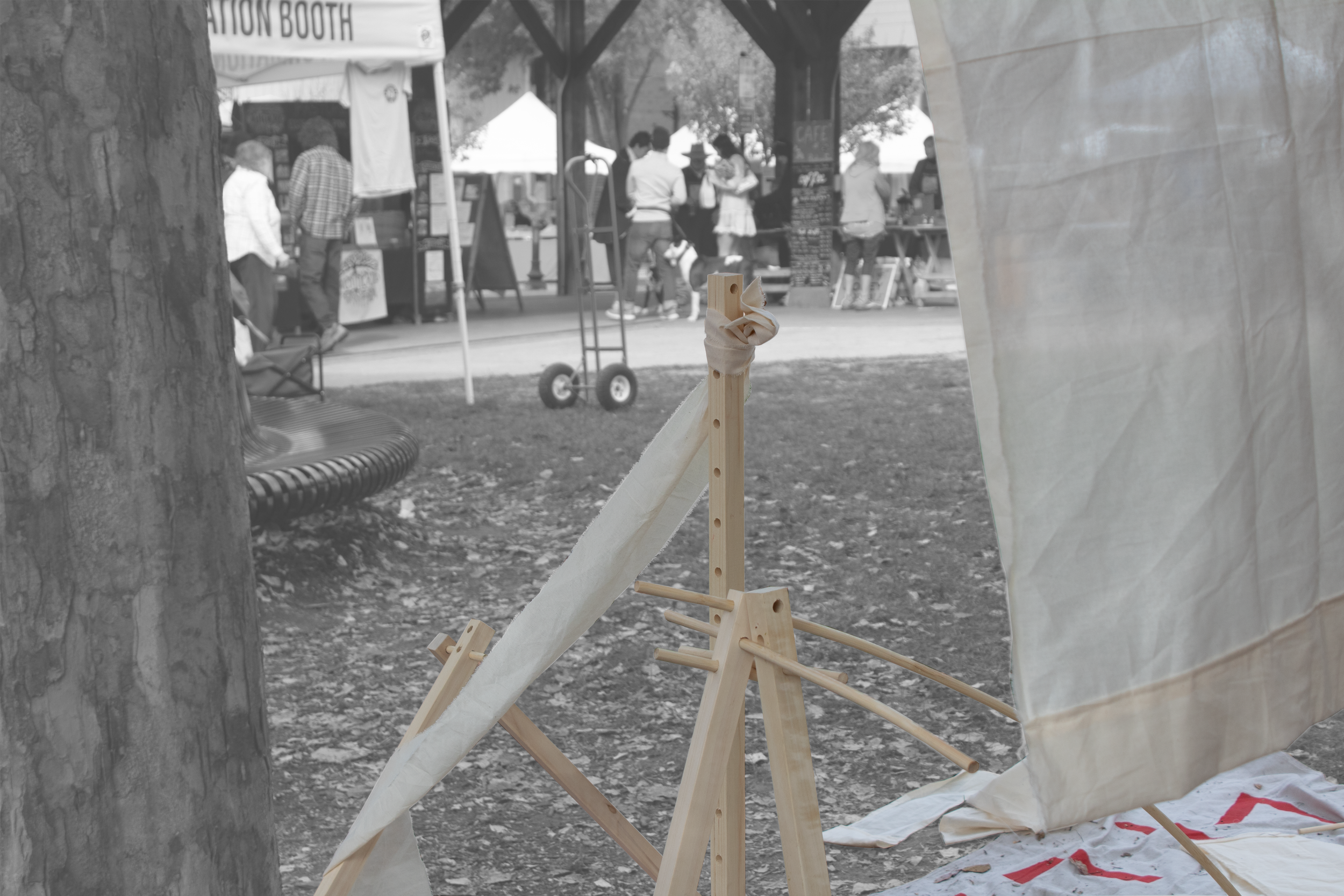
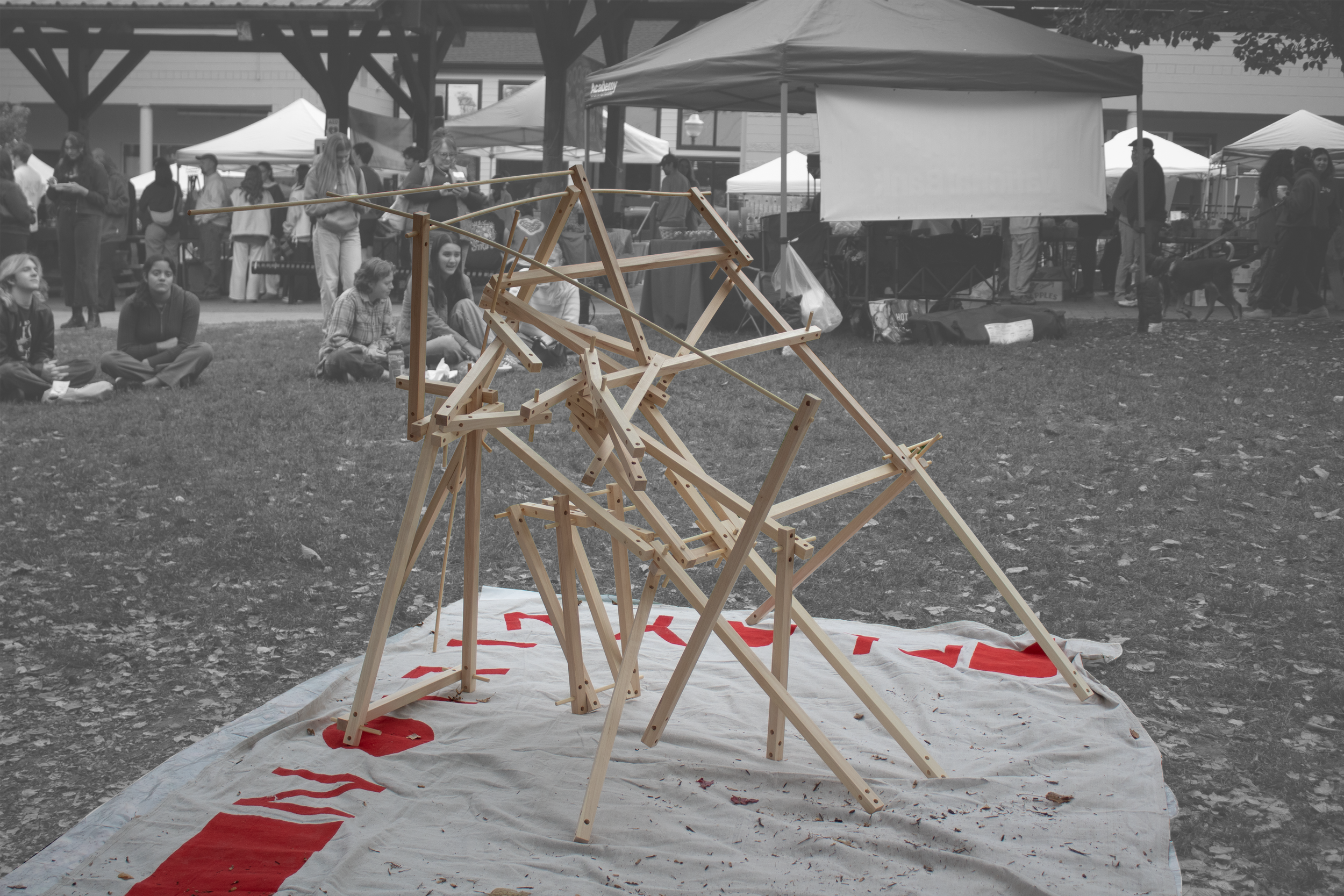
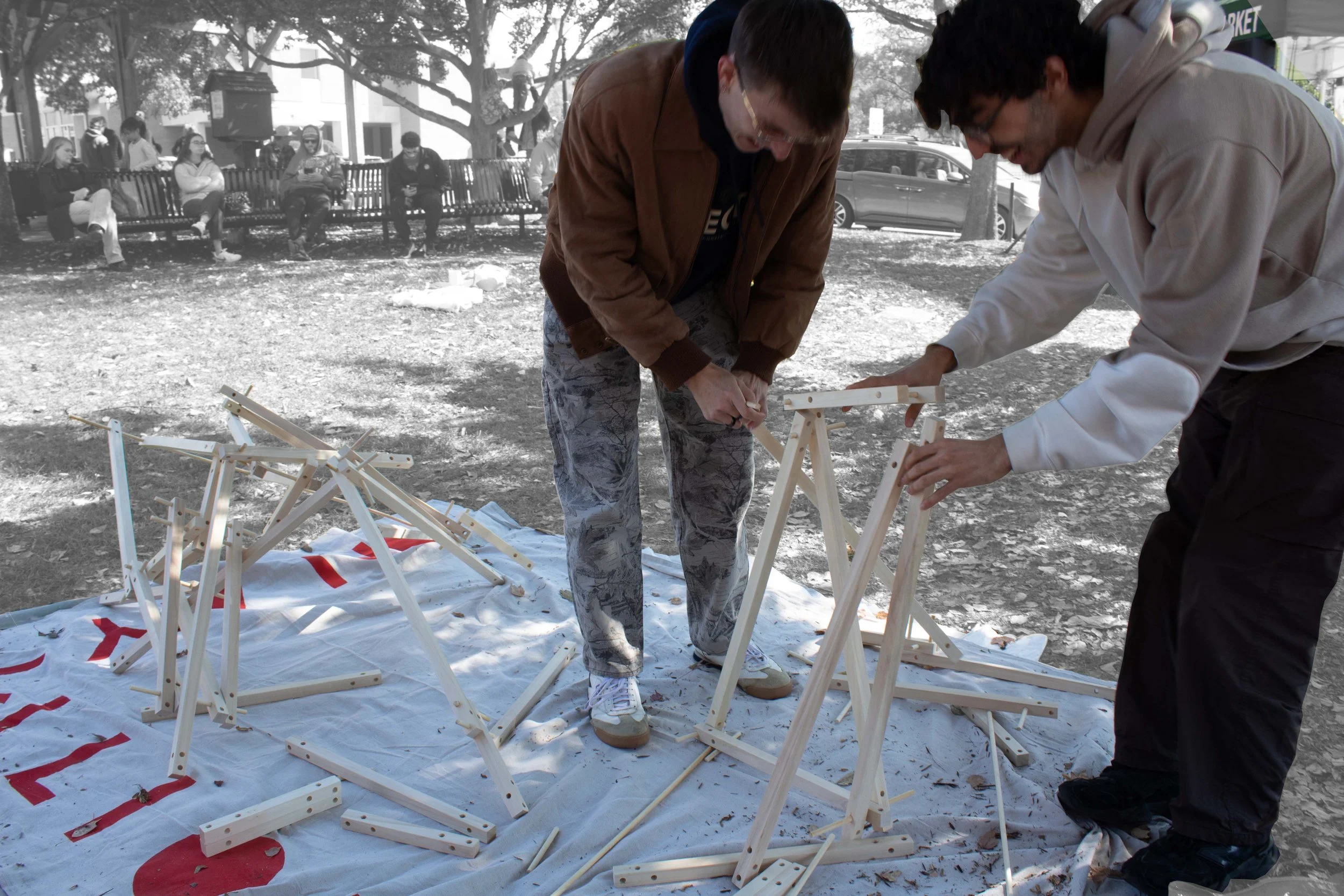
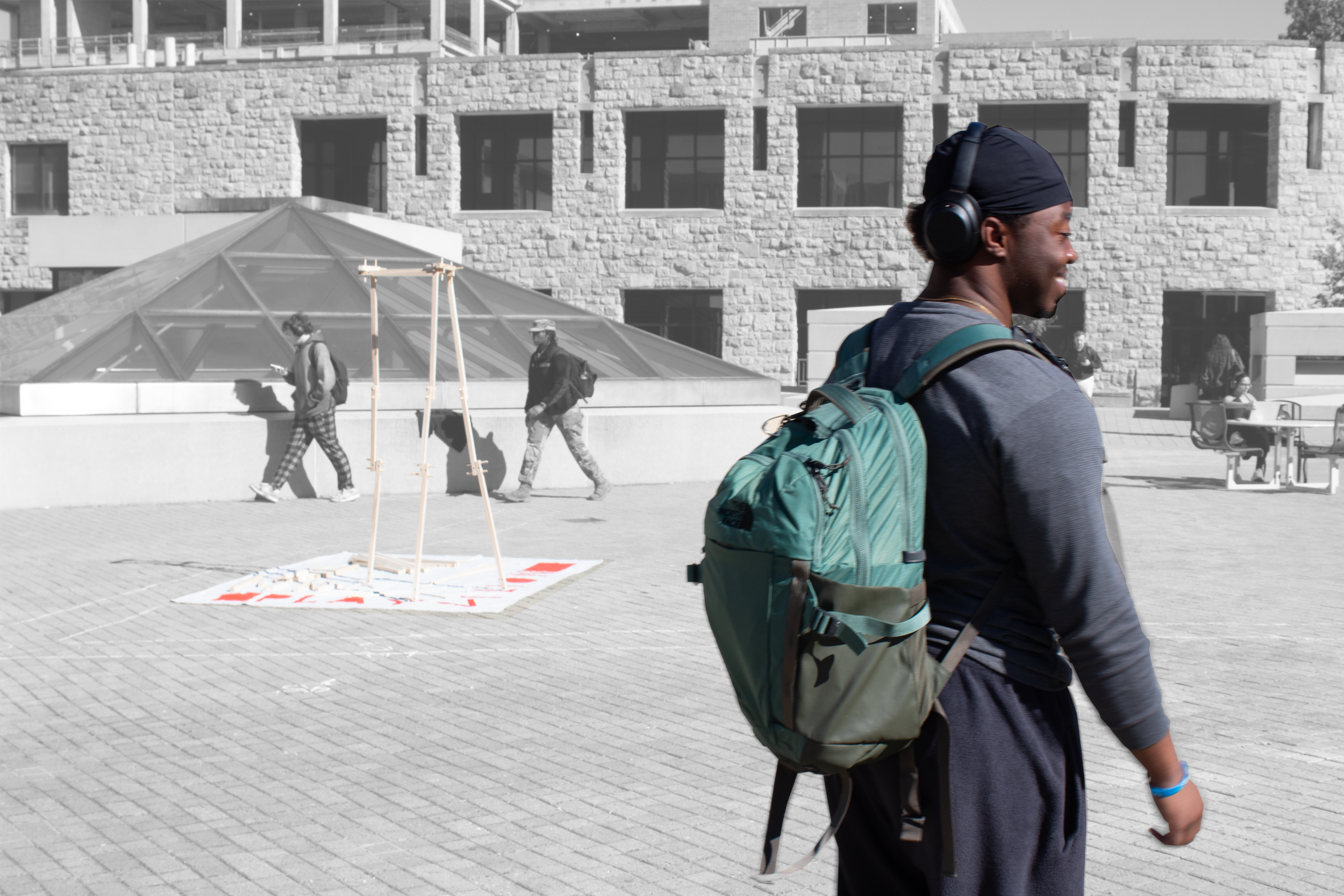
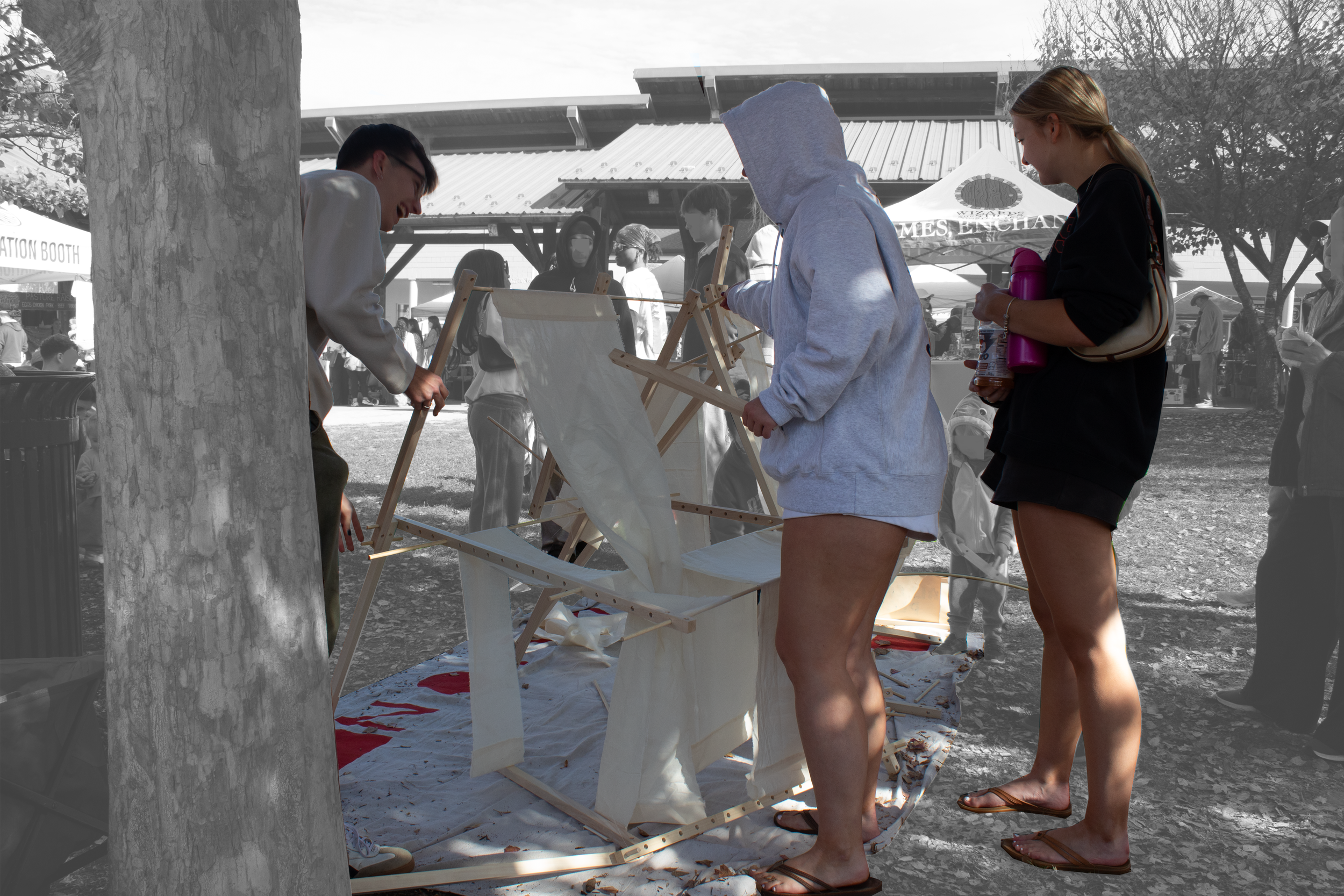
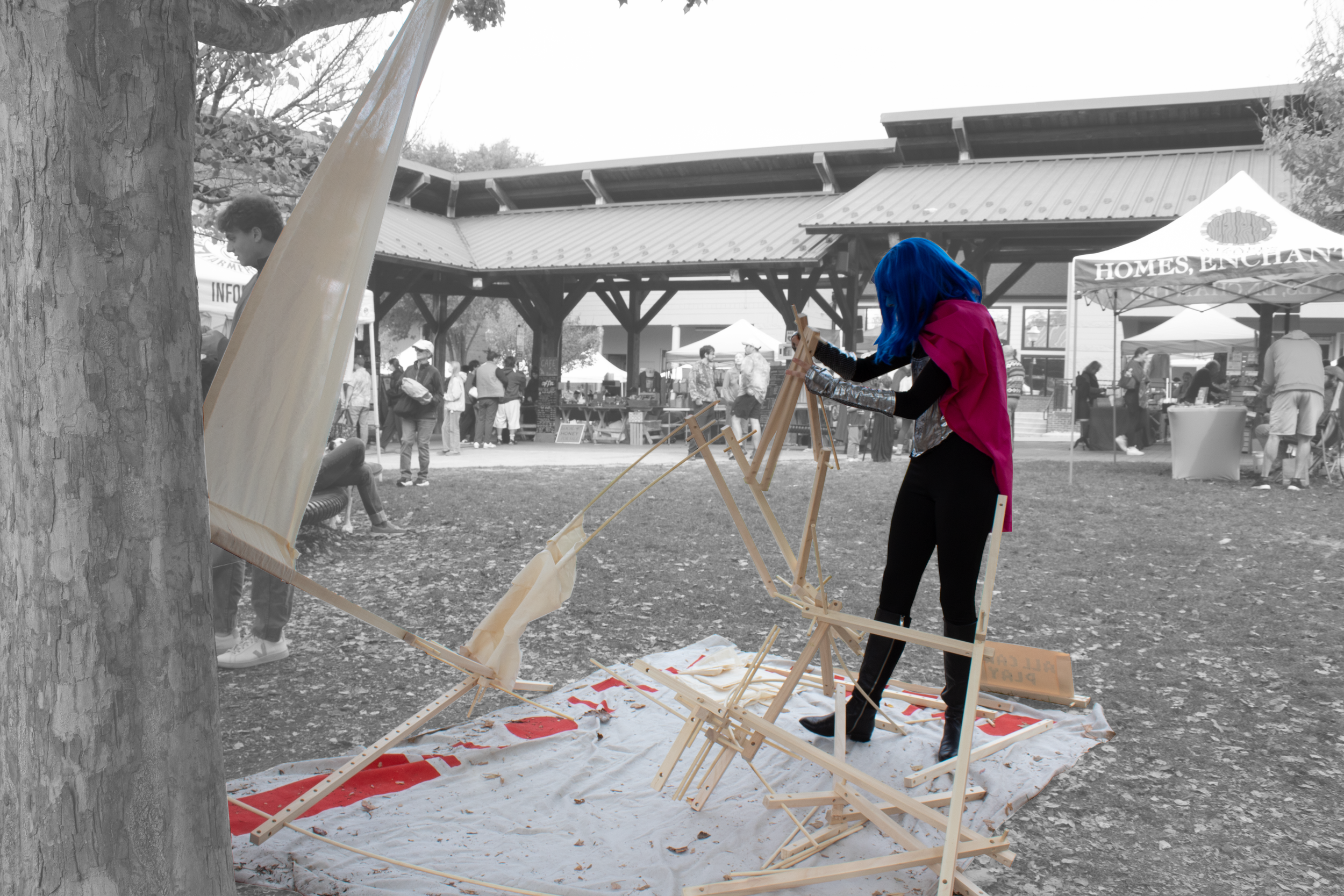
test 02_Farmers Market
phase 3:
play as continuity + change
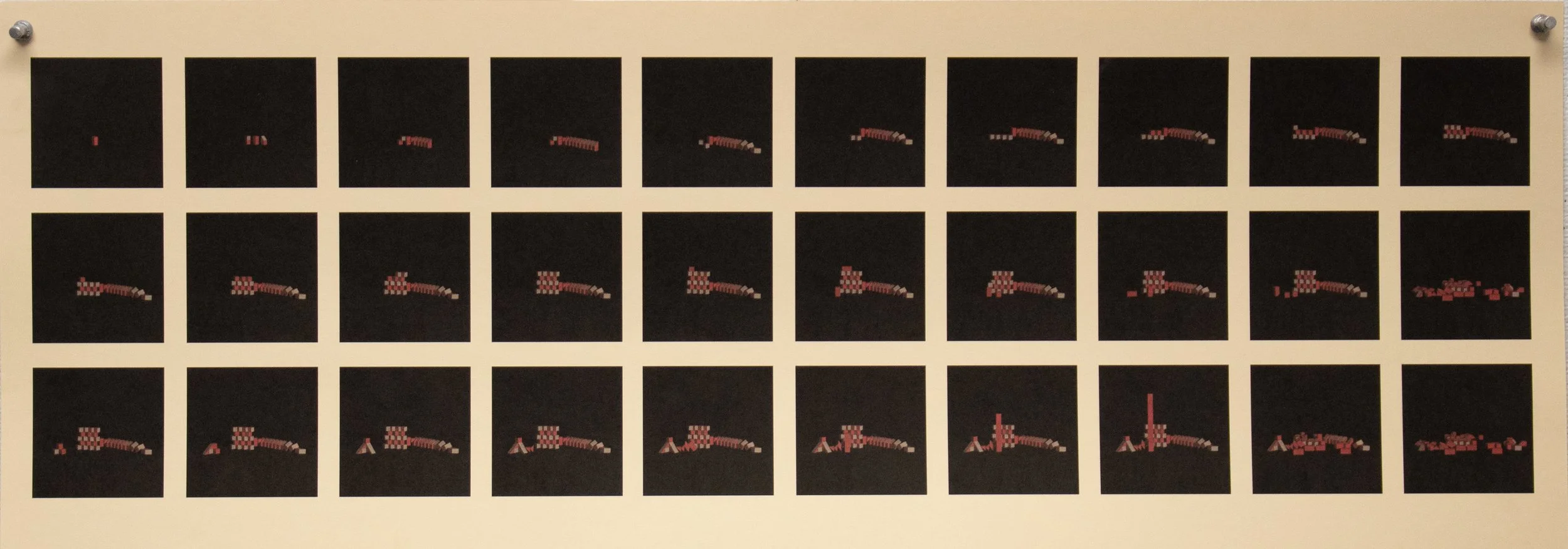
In studying precedents and conducting in-person research, a pattern has emerged: spaces for play are often impermanent and inaccessible. Barriers include time, cost, physical limitations, and the social perception that play is no longer for adults. Their impermanence often reflects an indifference to place. Together, these conditions produce unrooted, transient spaces that remove the privilege of play rather than embedding it within the communities they serve.
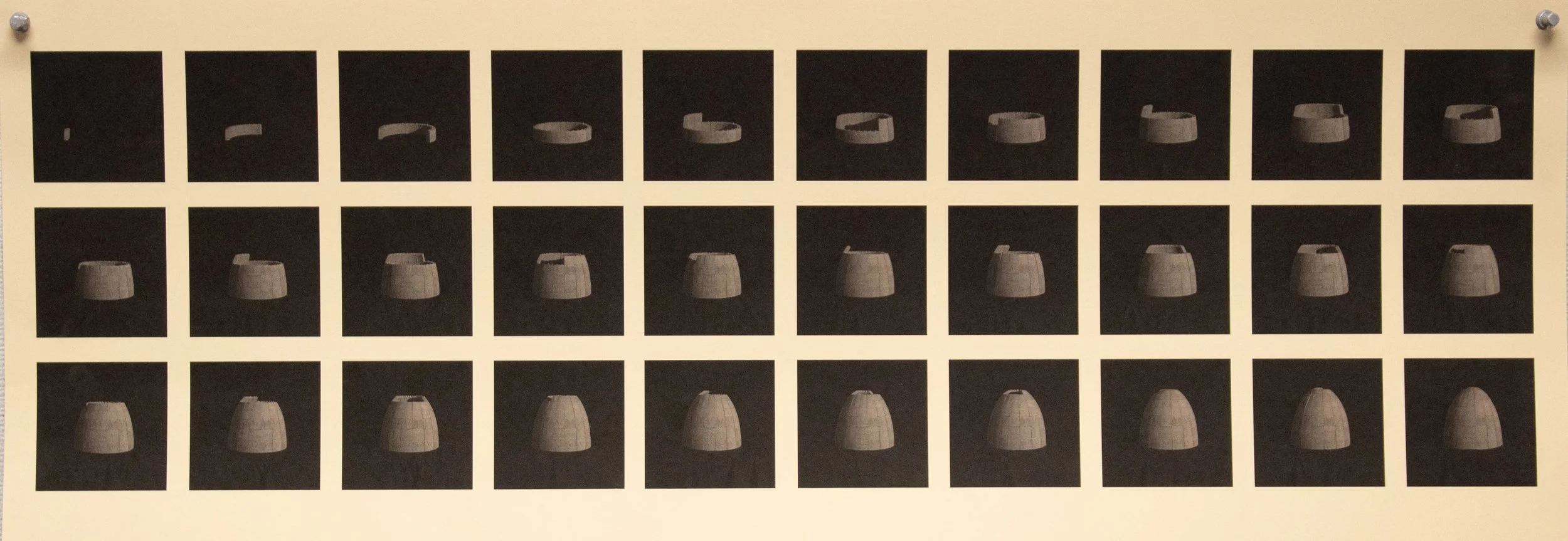
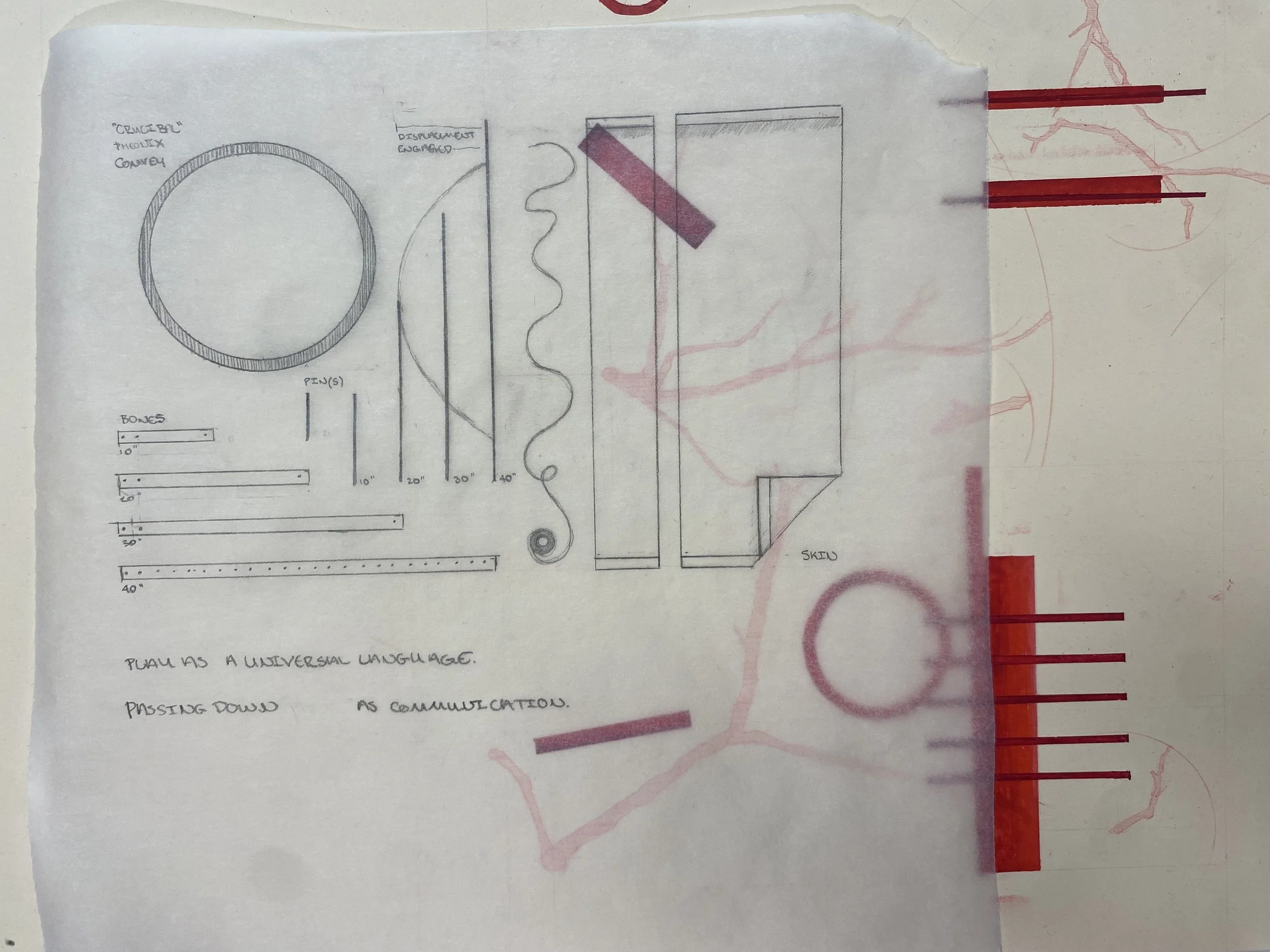
In critiquing the current landscape of architecture that facilitates play, a narrative has emerged to guide Phase 2 research: Each year, Virginia Tech's student population turns over by roughly one-quarter, bringing new needs and desires that static campus infrastructure struggles to accommodate. Through the lens of consistency and change, the project begins with a single metal element of play. It serves as the foundation, catalyst, and eventual crucible. Throughout the year, the structure grows and adapts through the contributions, needs, and play of the students who interact with it. In May, as a final ritual to bring the student body together before a quarter of its population graduates, the pavilion is burned. What remains is the metal phoenix, rising from the ashes to begin the cycle anew in the year(s) to come.
appendix.
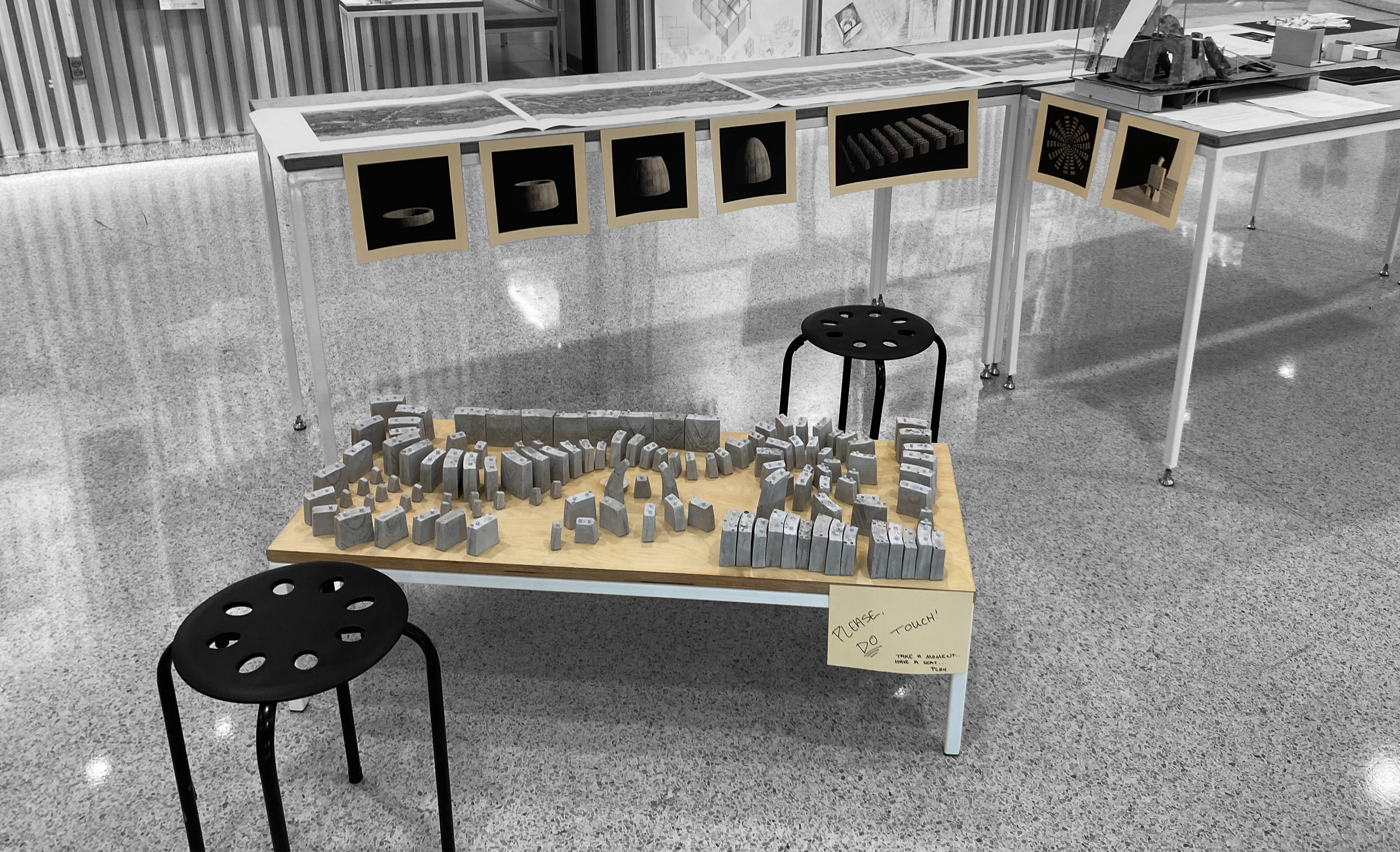
Test 00_Beginnings_ VT Arch lobby